Skip to content

The Future of Teaching in Canada: How Digital Classrooms Are Reshaping Learning Outcomes.

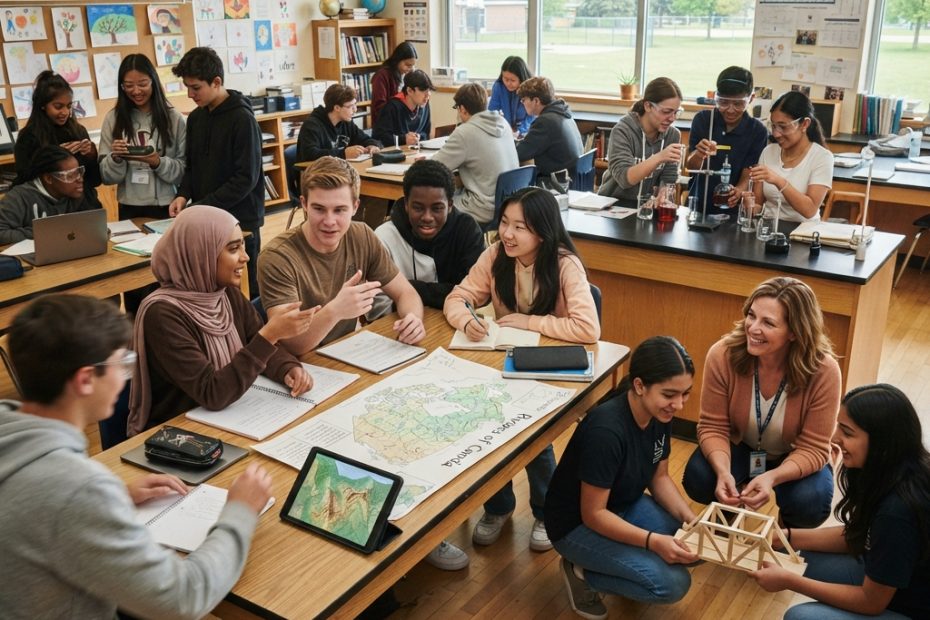
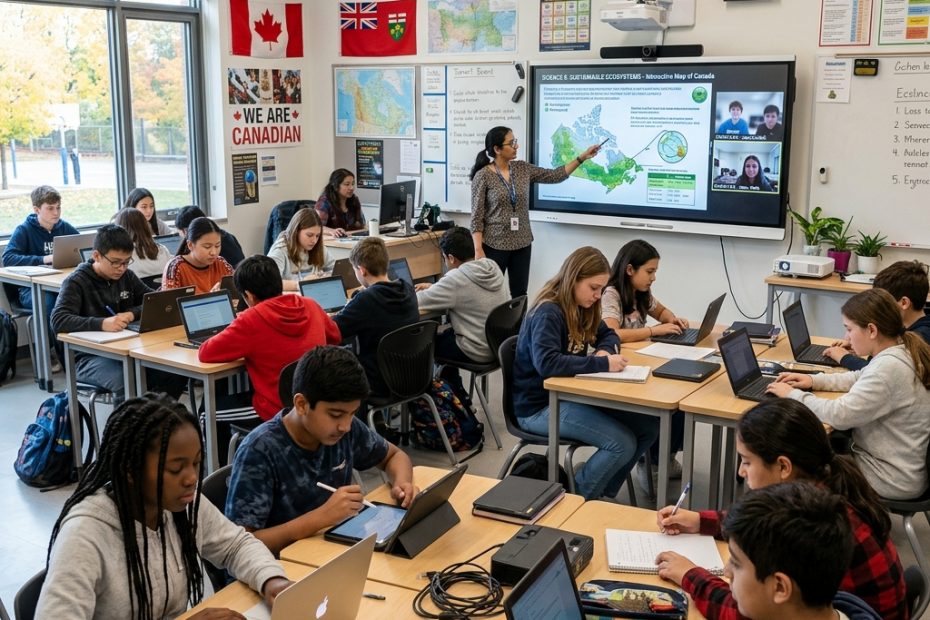
Canada’s education system is undergoing a major transformation driven by digital learning tools, hybrid classrooms, and AI-assisted teaching platforms. Schools across provinces are increasingly adopting technology to improve access, engagement, and performance.

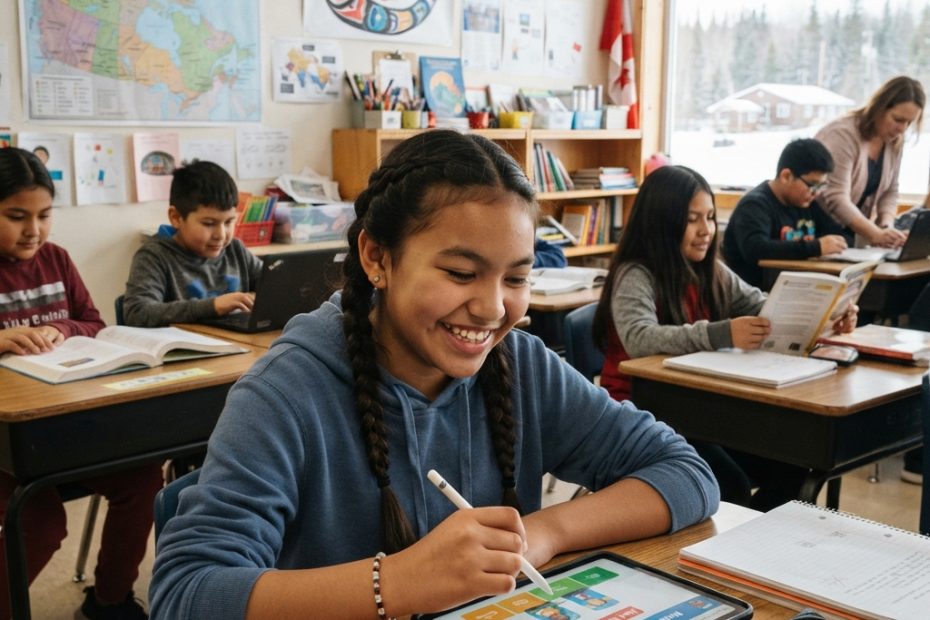
However, this shift is not without challenges. While urban schools enjoy advanced infrastructure, rural and remote areas still struggle with connectivity and access to devices. Despite this, the future of Canadian education is clearly digital.

Teachers are now expected to blend traditional methods with digital tools like Google Classroom, AI grading systems, and interactive learning apps.

The result? A more flexible, personalized learning experience for students—but also a new demand for teacher training and digital literacy.

How Is AI Giving Teachers Time and Students Superpowers?

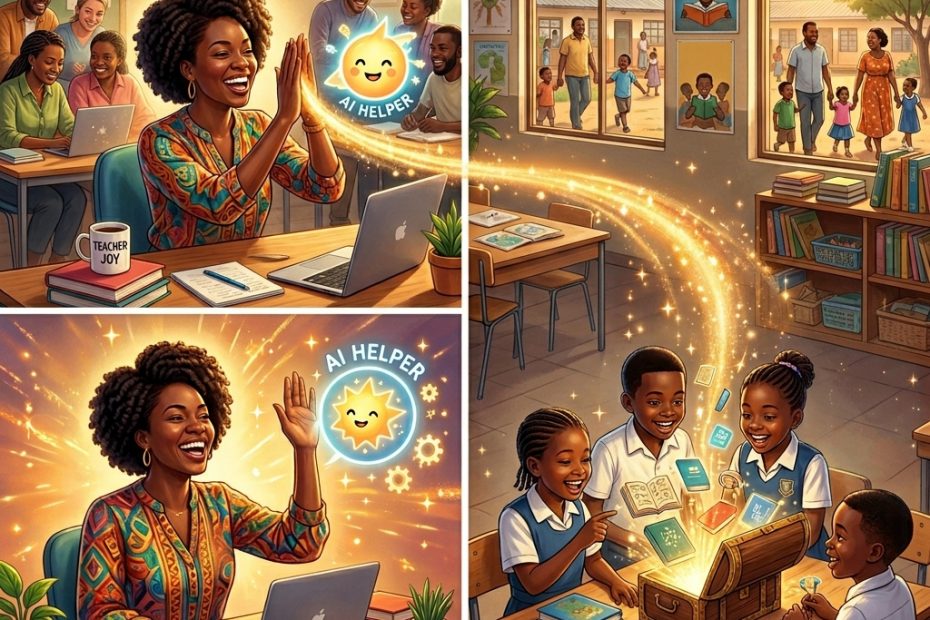
Mr. Patel used to dread grading nights. Now AI handles the first pass, and he spends his energy on real conversations that light up his students’ eyes. This is the beautiful win-win of 2026 AI automations.
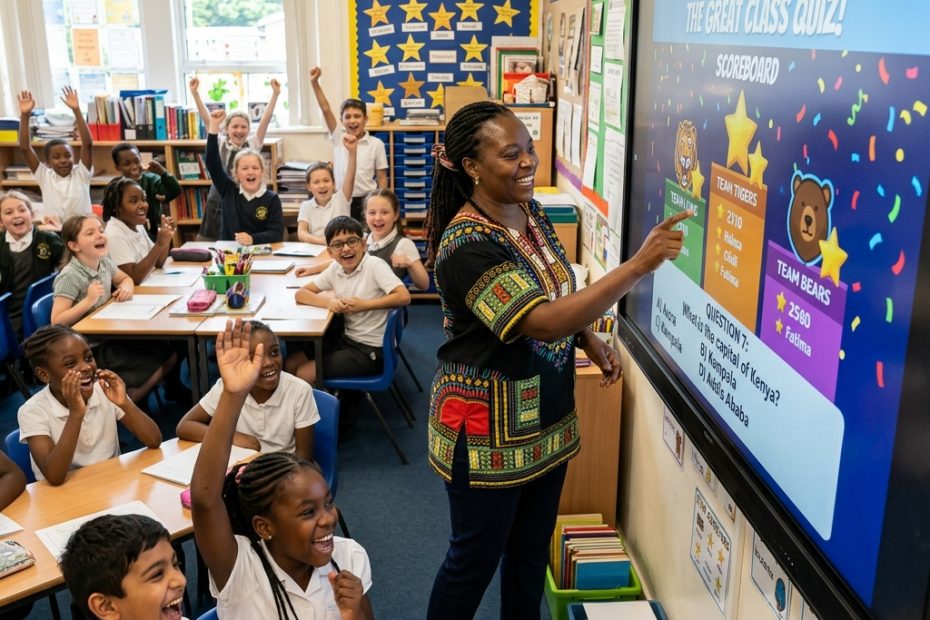
Teachers reclaim hours for creativity and connection. Students receive patient, personalized guidance that adapts to their pace and style. Parents gain clearer ways to support learning at home. From adaptive practice tools to smart feedback systems, these inventions are turning ‘I can’t’ into ‘I got this!’
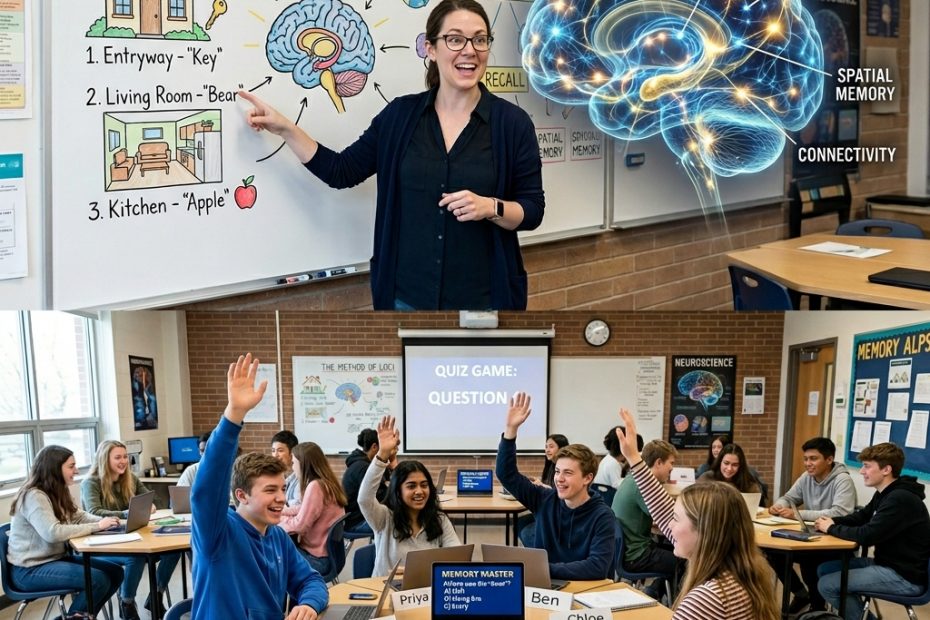
The magic happens when we use AI as a partner, not a replacement. It handles repetition so humans can focus on inspiration, relationships, and deep thinking. Real classrooms are seeing happier teachers, more confident learners, and stronger outcomes.
At Smart Teacher Online, we’ve designed everything to feel approachable and safe for the whole family. Whether you’re a teacher dreaming of balanced evenings, a student wanting to understand things better, or a parent eager to help, these tools are ready to support you.
2026 is proving that technology and humanity together create something greater than either alone. The story of education is getting better—chapter by chapter, smile by smile. Come write the next page with us.

The Day AI Stopped Being Scary and Started Feeling Like Magic in Our Classrooms..

Last year AI felt distant. This year it walked into classrooms and started helping like a cheerful assistant.

Adaptive platforms now tweak lessons in real time, agentic tools manage big projects, and smart systems spot when a student needs a gentle nudge or a bigger challenge.

Meet Mia, who turned her math dread into excitement once her AI tutor started using stories and visuals that clicked for her. Her teacher, freed from hours of manual adjustments, could focus on cheering everyone on. Parents are thrilled to understand their kids’ learning styles better and join the adventure.

Teachers are reclaiming evenings and weekends. Students get patient, round-the-clock support that builds real confidence. These 2026 inventions make education more personal, accessible, and—dare we say—fun.

On Smart Teacher Online we’ve seen the smiles grow as families discover tools that spark creativity instead of replacing it. The message is clear: AI isn’t here to take over education. It’s here to amplify the best parts—the curiosity, the breakthroughs, the human connections.

Ready to turn your classroom or kitchen table into a place where learning feels like an exciting story? The future is already here, and it’s pretty wonderful.

Here’s How Claude Became the Super-Smart Classroom Sidekick Everyone’s Talking About.

Imagine never forgetting a single detail from the whole school year.

That’s Claude in 2026. With its massive memory and clever new tricks like ‘Dreaming’ agents that actually learn and improve, this AI has become the ultimate classroom sidekick.

Teachers are reclaiming evenings by generating differentiated lessons, fun activities, and personalized feedback in minutes. Students get 24/7 patient tutoring that adapts to how they learn best. Parents love being able to jump in and support homework without feeling lost.
From analyzing student drawings to building entire project plans, Claude turns overwhelming tasks into exciting possibilities.

And the best part? It’s built to be helpful and safe, keeping the human spark at the center of education.
At Smart Teacher Online, we’re thrilled to see families and educators using these tools to make learning more joyful and effective. Whether you’re a busy teacher, a curious student, or a supportive parent, Claude feels like that reliable friend who always has your back—and a few brilliant ideas up its sleeve.

Ready to meet your new favorite learning companion?

Raising Emotionally Intelligent Children in the Digital Age.

Ten-year-old Nneka came home in tears after friends laughed at her photo in a group chat.
Instead of anger, her mother sat with her: “Let’s breathe. How does this make you feel?”
That moment opened the door to emotional intelligence — the superpower every child needs in the digital age.
From naming feelings and practicing empathy online to managing reactions and building self-worth beyond likes, here’s how families can raise emotionally smart kids.
Technology connects us, but emotional intelligence helps us connect with care.
Read the full guide: Raising Emotionally Intelligent Children in the Digital Age.

Online Privacy 101 for Parents and Kids.

Nine-year-old Ada proudly posted a beach family photo — until her mom noticed their house number, school name, and exact location were clearly visible.
That moment sparked an important family conversation about online privacy.
From strong passwords and privacy settings to the “Stop, Think, Ask” rule — here’s a simple, story-filled guide every parent and child needs.
Online privacy isn’t about fear. It’s about giving kids the superpower to enjoy technology safely.
Read “Online Privacy 101 for Parents and Kids” and start the conversation today.

Digital Literacy: What Every Child Needs to Know.

It was a simple click for “free game coins” — until 11-year-old Chidi’s tablet slowed and scary messages appeared.
That night he learned: using technology isn’t enough. You must know how to stay safe, spot fakes, and think critically online.
Digital literacy is the essential skill every child needs today.
From protecting privacy to creating responsibly and questioning AI — these are the superpowers that turn curious kids into confident digital citizens.
Read the full story: How we can equip our children for a connected world.

How AI Tutors Are Changing the Classroom.

It’s 10:30 PM. A 12-year-old in Lagos struggles with fractions until her AI tutor asks one simple pizza-sharing question — and everything clicks.
This is the new reality of education. AI tutors like Khanmigo are giving every child access to patient, personalized guidance that was once only for the wealthy.
They’re not replacing teachers — they’re freeing them to do what humans do best: mentor and inspire.
Read how AI is transforming classrooms worldwide.

WHAT ARE 2-FACTOR AUTHENTICATIONS AND WHY ARE THEY IMPORTANT?

In today’s digital world, keeping our online accounts safe is as important as locking our front doors.

That’s why 2-Factor Authentication, or 2FA, has become everyone’s best friend – from kids doing homework on tablets to parents managing family finances and professionals handling work emails. But what exactly is it, and why does it matter so much?
Simply put, 2FA is a double-lock system for your accounts. You already use one lock every day: your password (something you know).

But passwords can be guessed, stolen in data leaks, or tricked out of you by sneaky phishing emails. 2FA adds a second, completely different proof that it’s really you – like a code sent to your phone, your fingerprint, or a quick face scan on your device.
Here’s how it works in easy steps: First, enter your username and password. The website checks them. Then it asks, “Prove it’s you!” You get a special code on your phone or use your fingerprint. Only when both match do you get inside. Hackers might steal your password from somewhere else, but without that second step, they’re locked out!

There are several types of 2FA factors: knowledge (passwords or security questions), possession (phone codes or authenticator apps), biometric (fingerprints or face ID), and even location or time checks. Most people start with password plus phone code – it’s simple and free on Gmail, banking apps, school platforms, and games like Roblox.

Why is it so important? Because one password is no longer enough in our connected world. 2FA stops 99% of automatic hacker attacks, protects kids’ gaming and school accounts from strangers, prevents parents from losing money to online fraud, and keeps professionals’ sensitive files secure. It reduces identity theft, phishing success, and data breaches. Even big companies use it to build customer trust!

Best of all, turning it on takes just two minutes in your account settings. Choose app-based or biometric options over plain texts for extra safety. Teach your family: never share codes, and enable 2FA everywhere – email first, then everything else.
At Smart Teacher, we believe every child, parent, and professional deserves to explore the internet without fear. 2FA is your simple superpower.

Turn it on today and enjoy peace of mind tomorrow!