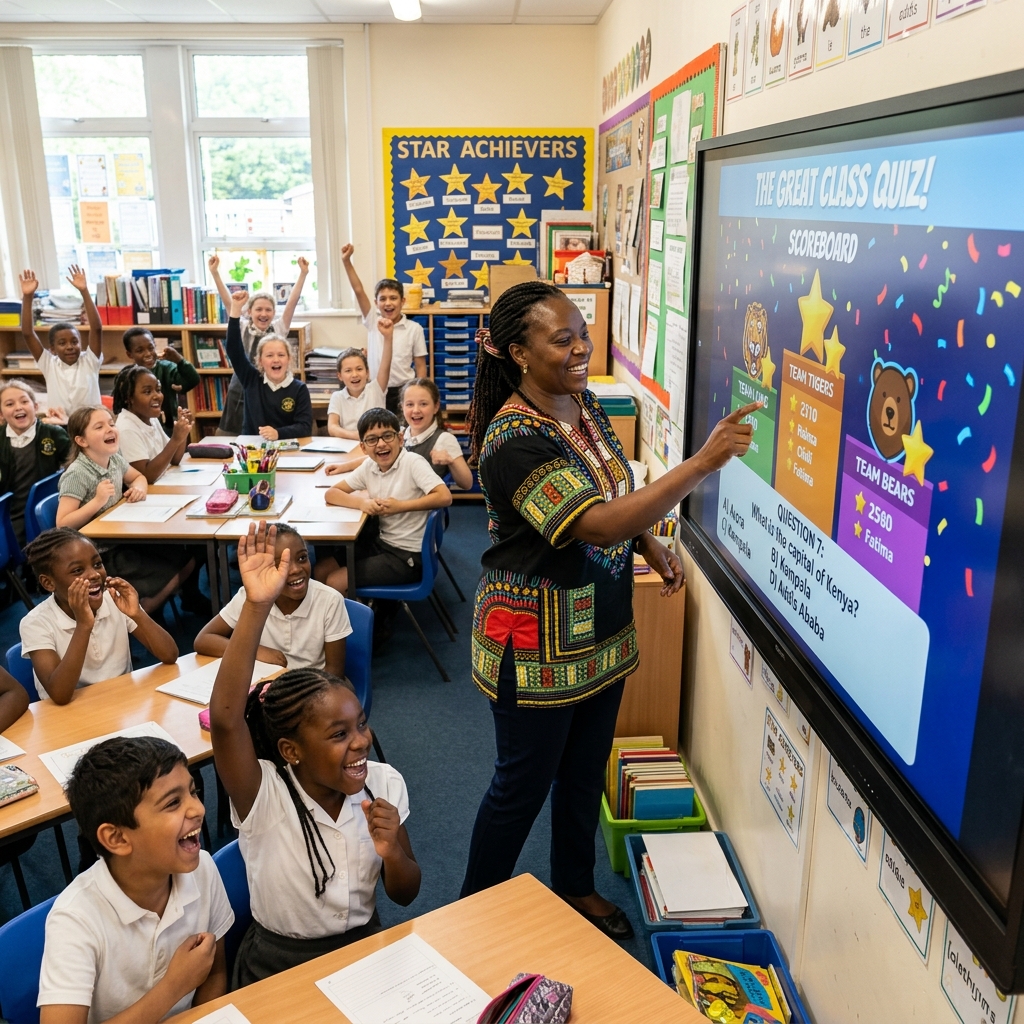
In many classrooms today, one of the biggest challenges teachers face is keeping students engaged. Traditional teaching methods often struggle to compete with the fast-paced, interactive digital world students are exposed to daily. This is where gamification becomes a powerful educational tool.
Gamification refers to the use of game-like elements in non-game settings, such as education. These elements may include point systems, leaderboards, rewards, challenges, and storytelling. When applied correctly, they can transform a passive classroom into an active and exciting learning environment.
One of the key reasons gamification works is because it taps into intrinsic motivation. Students naturally enjoy competition, achievement, and rewards. When lessons are structured like games, students become more willing to participate and take ownership of their learning.
For example, instead of a traditional quiz, a teacher might turn the exercise into a classroom competition where students earn points for correct answers. Similarly, progress tracking systems can help students visualize their improvement over time, making learning feel more rewarding.
Story-based learning is another effective gamification technique. When lessons are framed within a narrative, students are more likely to stay engaged because they feel part of a larger story. This approach is especially effective in subjects like history, literature, and social studies.
Technology has further expanded the possibilities of gamification. Educational apps and platforms now allow teachers to create interactive quizzes, digital badges, and real-time feedback systems that enhance classroom participation.
However, successful gamification requires balance. The goal is not to replace learning with games, but to enhance learning through engagement. Teachers must ensure that educational objectives remain the focus, while game elements serve as motivation tools.
When implemented effectively, gamification can significantly improve student participation, retention, and enthusiasm for learning. It transforms education from a passive experience into an interactive journey.