Skip to content

“Have We Bought Everything?”: A Mother’s Saturday Before the New School Year

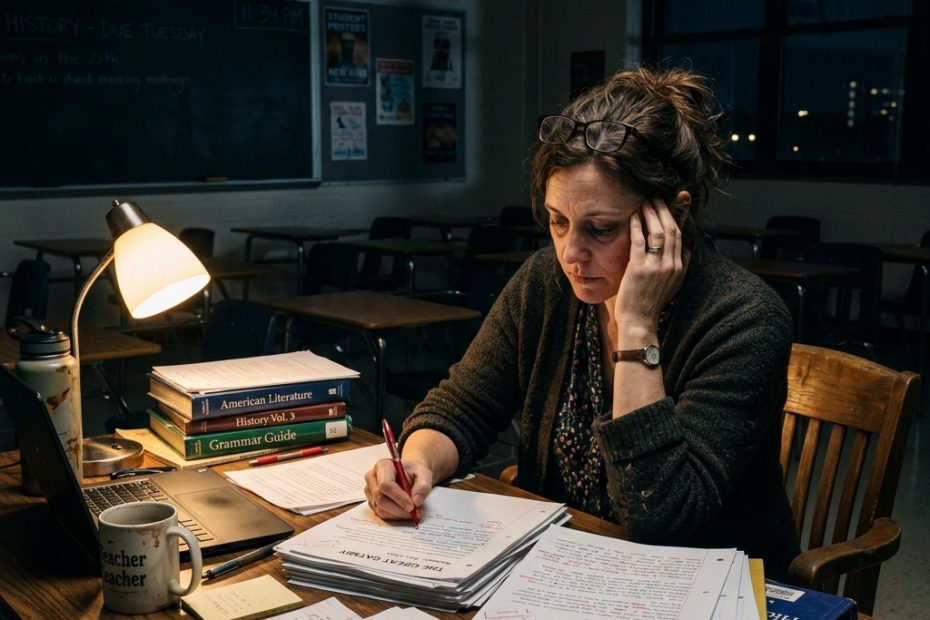
Saturday morning arrives differently when school resumption is only a few days away. The house is awake earlier than usual, not because anyone planned it that way, but because there is suddenly too much to do. In a Canadian home somewhere in Ontario, Maya’s mother is already standing in the kitchen with her phone in one hand and a shopping list in the other, mentally running through everything she needs before Monday. New notebooks. Pencils. Pens. A lunch bag. A… 
Bridging the Digital Divide: Making EdTech Work for Every Canadian Child.

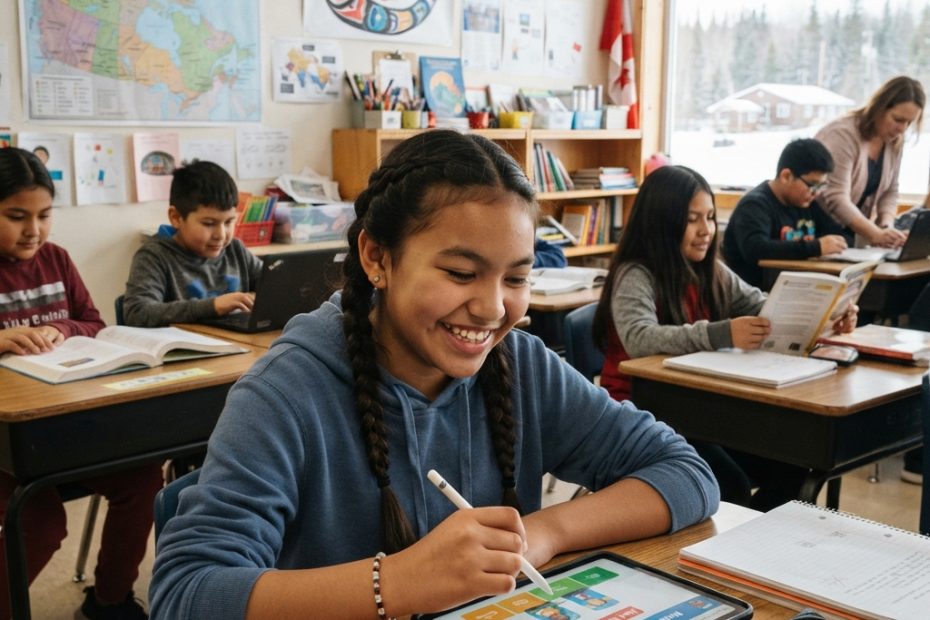
In Canada, the promise of quality education for every child is increasingly shaped by technology, yet the digital divide remains a significant barrier. This divide refers to unequal access to computers, high-speed internet, devices, and digital skills, particularly affecting rural, remote, northern, and Indigenous communities compared to urban centres.

How to Make Learning Fun Again: Gamification Techniques Every Teacher Should Know.

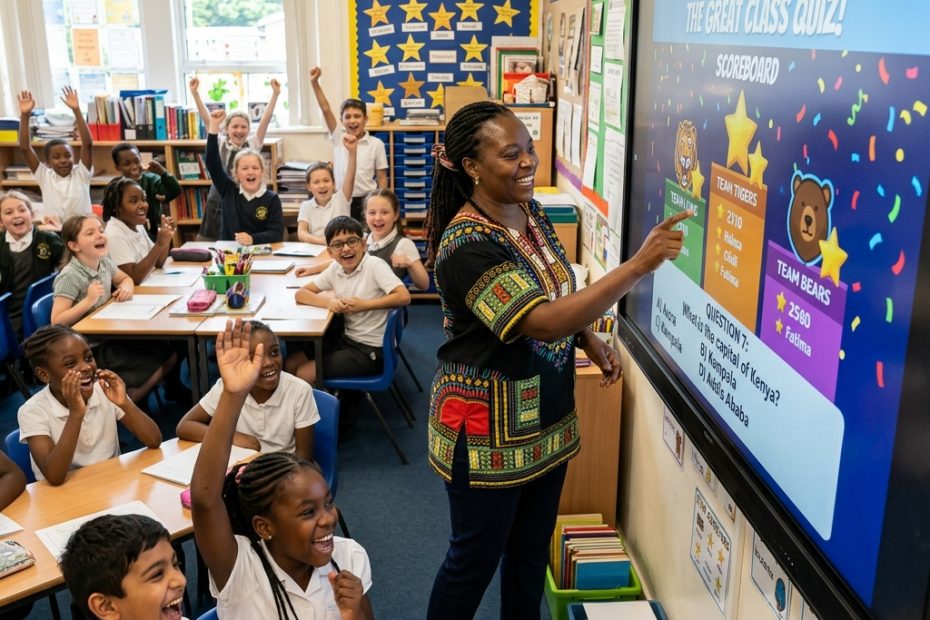
Gamification makes learning interactive by applying game elements to education. It improves engagement, participation, and motivation among students by turning traditional lessons into experiences that feel more dynamic and rewarding. Instead of students passively receiving information, they become active participants in the learning process, working toward goals, earning rewards, and receiving immediate feedback that keeps them involved.

By incorporating elements such as points, levels, challenges, and friendly competition, teachers can create a classroom environment where students are more eager to learn and participate. This approach helps to reduce boredom and distraction while encouraging consistency and effort. Over time, students begin to associate learning with achievement and excitement rather than obligation, which can significantly improve both understanding and long-term retention of knowledge.