Skip to content

Active Learning Strategies: Moving Beyond Rote Memorization in Canadian Classrooms.

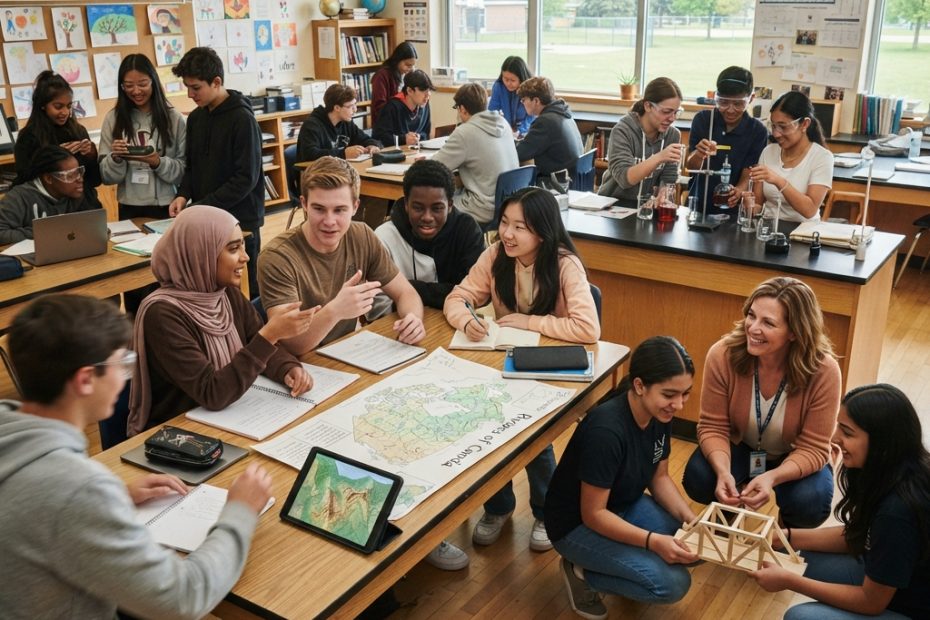
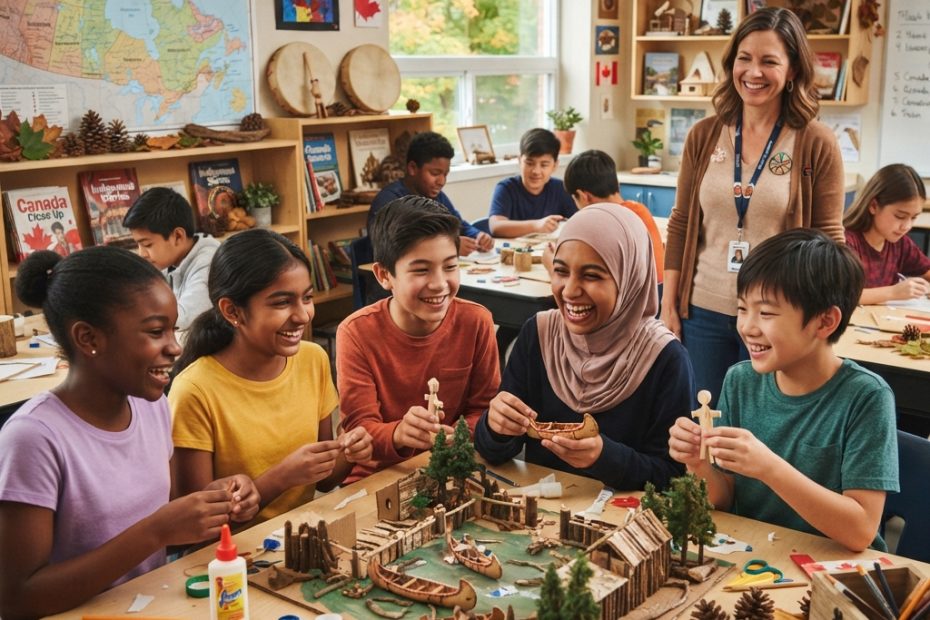
In many Canadian classrooms, students still encounter heavy reliance on rote memorization — copying notes and repeating facts for tests. While useful for short-term recall, research shows this approach often leads to quick forgetting and limited deep understanding. Active learning shifts the focus by engaging students as active participants who think critically, discuss, solve problems, and apply knowledge.

How to Make Learning Fun Again: Gamification Techniques Every Teacher Should Know.

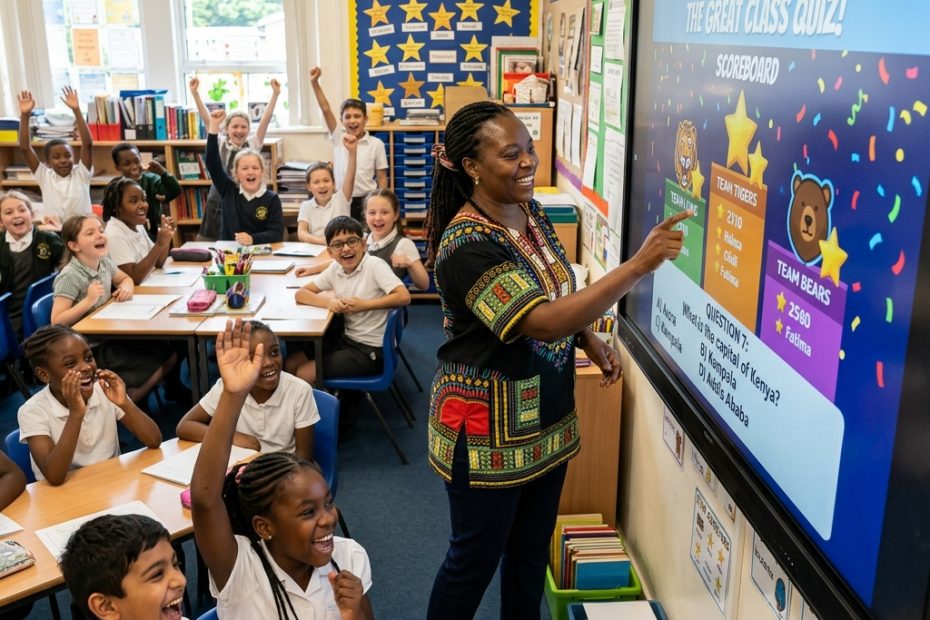
Gamification makes learning interactive by applying game elements to education. It improves engagement, participation, and motivation among students by turning traditional lessons into experiences that feel more dynamic and rewarding. Instead of students passively receiving information, they become active participants in the learning process, working toward goals, earning rewards, and receiving immediate feedback that keeps them involved.

By incorporating elements such as points, levels, challenges, and friendly competition, teachers can create a classroom environment where students are more eager to learn and participate. This approach helps to reduce boredom and distraction while encouraging consistency and effort. Over time, students begin to associate learning with achievement and excitement rather than obligation, which can significantly improve both understanding and long-term retention of knowledge.

The Future of Teaching in Canada: How Digital Classrooms Are Reshaping Learning Outcomes.

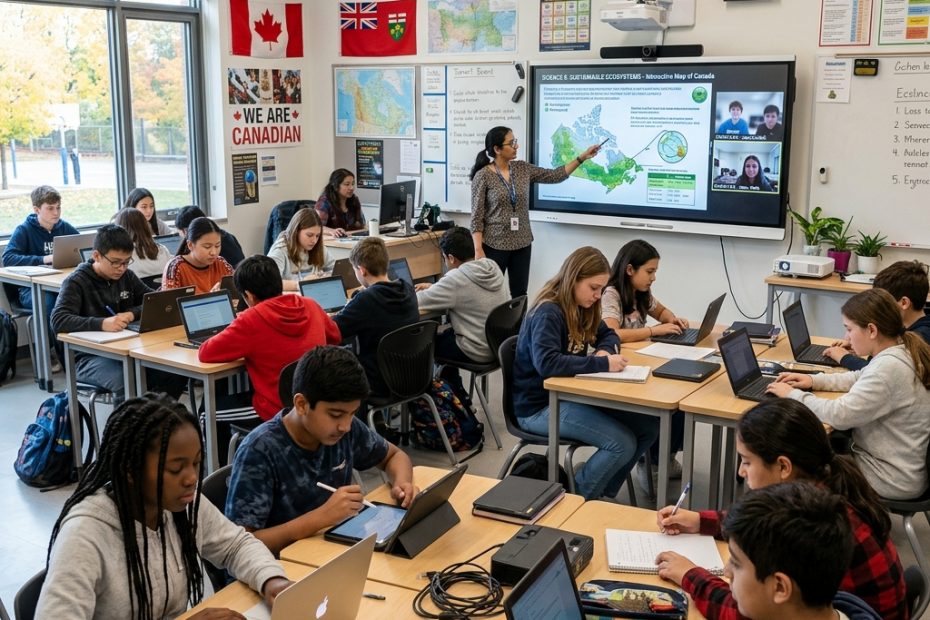
Canada’s education system is undergoing a major transformation driven by digital learning tools, hybrid classrooms, and AI-assisted teaching platforms. Schools across provinces are increasingly adopting technology to improve access, engagement, and performance.

However, this shift is not without challenges. While urban schools enjoy advanced infrastructure, rural and remote areas still struggle with connectivity and access to devices. Despite this, the future of Canadian education is clearly digital.

Teachers are now expected to blend traditional methods with digital tools like Google Classroom, AI grading systems, and interactive learning apps.

The result? A more flexible, personalized learning experience for students—but also a new demand for teacher training and digital literacy.

The Day AI Stopped Being Scary and Started Feeling Like Magic in Our Classrooms..

Last year AI felt distant. This year it walked into classrooms and started helping like a cheerful assistant.

Adaptive platforms now tweak lessons in real time, agentic tools manage big projects, and smart systems spot when a student needs a gentle nudge or a bigger challenge.

Meet Mia, who turned her math dread into excitement once her AI tutor started using stories and visuals that clicked for her. Her teacher, freed from hours of manual adjustments, could focus on cheering everyone on. Parents are thrilled to understand their kids’ learning styles better and join the adventure.

Teachers are reclaiming evenings and weekends. Students get patient, round-the-clock support that builds real confidence. These 2026 inventions make education more personal, accessible, and—dare we say—fun.

On Smart Teacher Online we’ve seen the smiles grow as families discover tools that spark creativity instead of replacing it. The message is clear: AI isn’t here to take over education. It’s here to amplify the best parts—the curiosity, the breakthroughs, the human connections.

Ready to turn your classroom or kitchen table into a place where learning feels like an exciting story? The future is already here, and it’s pretty wonderful.

Here’s How Claude Became the Super-Smart Classroom Sidekick Everyone’s Talking About.

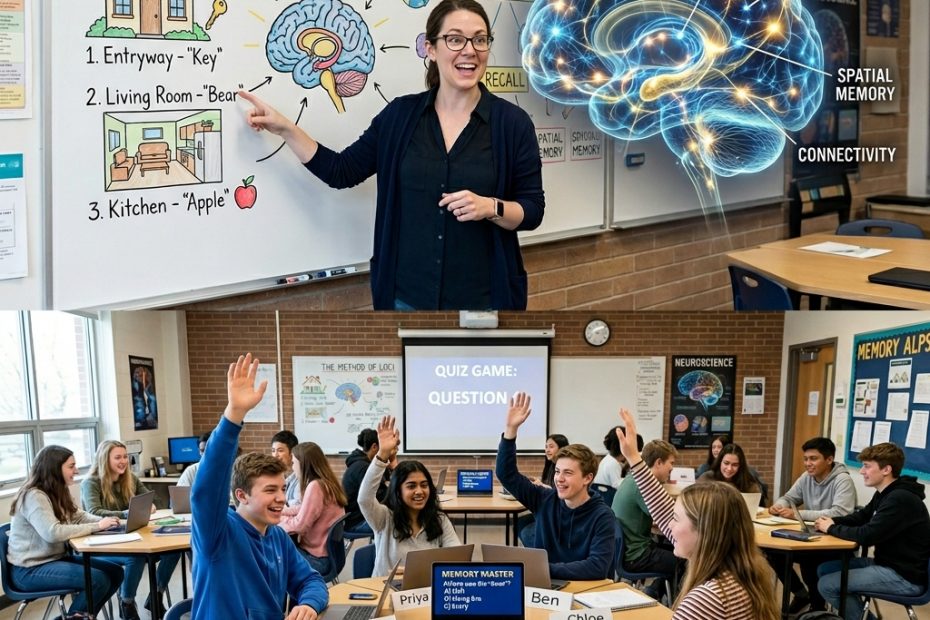
Imagine never forgetting a single detail from the whole school year.

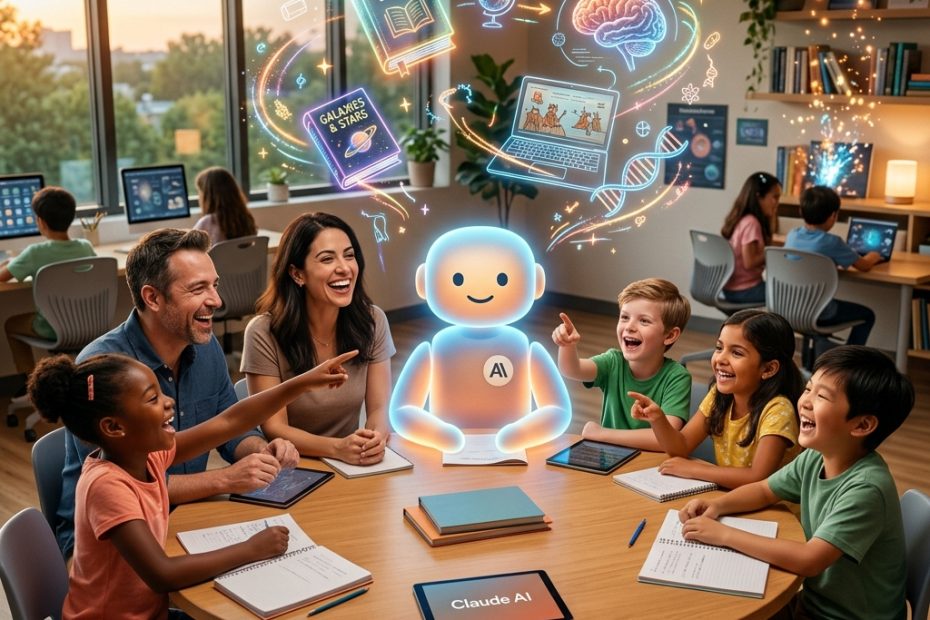
That’s Claude in 2026. With its massive memory and clever new tricks like ‘Dreaming’ agents that actually learn and improve, this AI has become the ultimate classroom sidekick.

Teachers are reclaiming evenings by generating differentiated lessons, fun activities, and personalized feedback in minutes. Students get 24/7 patient tutoring that adapts to how they learn best. Parents love being able to jump in and support homework without feeling lost.
From analyzing student drawings to building entire project plans, Claude turns overwhelming tasks into exciting possibilities.

And the best part? It’s built to be helpful and safe, keeping the human spark at the center of education.
At Smart Teacher Online, we’re thrilled to see families and educators using these tools to make learning more joyful and effective. Whether you’re a busy teacher, a curious student, or a supportive parent, Claude feels like that reliable friend who always has your back—and a few brilliant ideas up its sleeve.

Ready to meet your new favorite learning companion?

Raising Emotionally Intelligent Children in the Digital Age.

Ten-year-old Nneka came home in tears after friends laughed at her photo in a group chat.
Instead of anger, her mother sat with her: “Let’s breathe. How does this make you feel?”
That moment opened the door to emotional intelligence — the superpower every child needs in the digital age.
From naming feelings and practicing empathy online to managing reactions and building self-worth beyond likes, here’s how families can raise emotionally smart kids.
Technology connects us, but emotional intelligence helps us connect with care.
Read the full guide: Raising Emotionally Intelligent Children in the Digital Age.