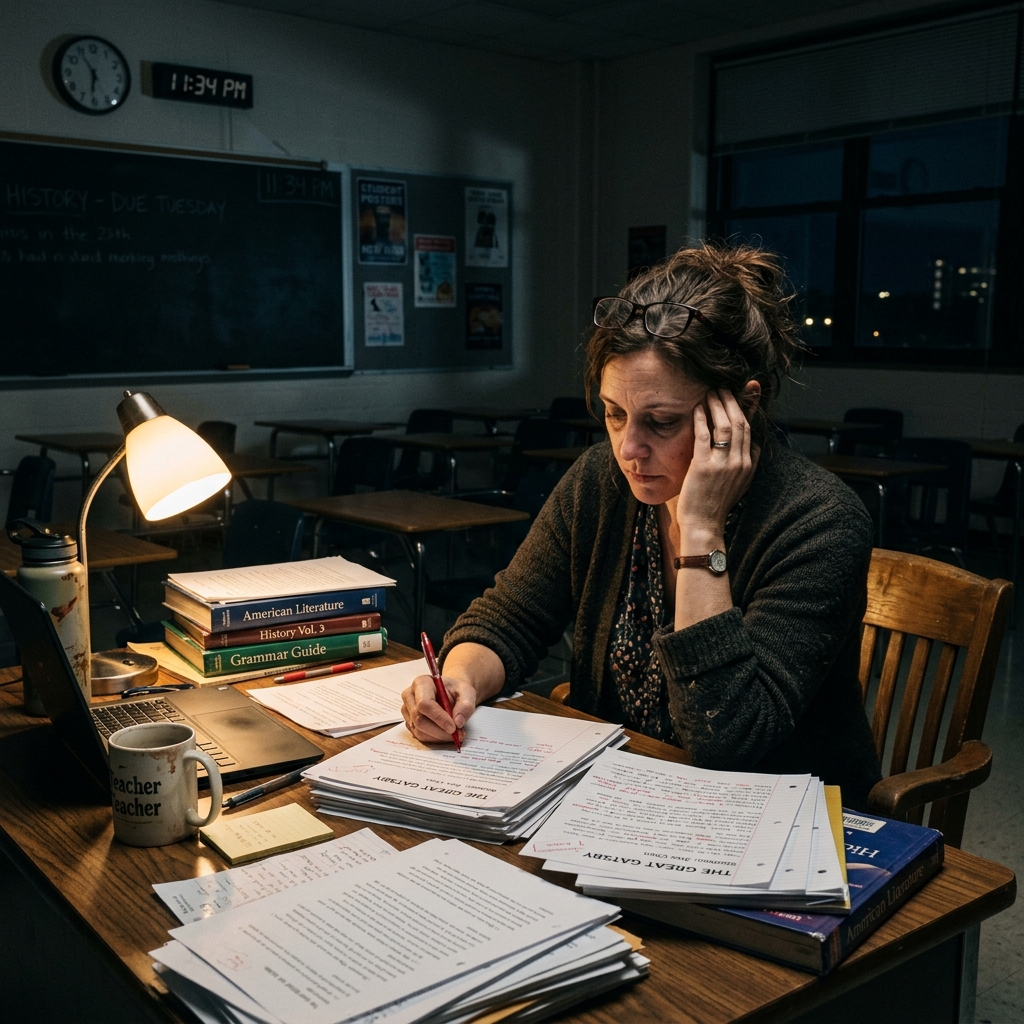
Teacher burnout has become one of the most pressing issues in modern education systems worldwide. It is characterized by emotional exhaustion, reduced performance, and a declining sense of personal accomplishment. While often overlooked, it significantly impacts both teachers and students.
One of the primary causes of burnout is excessive workload. Teachers are not only responsible for classroom instruction but also for lesson planning, grading, administrative duties, and often extracurricular supervision. This creates a cycle of constant pressure with little time for rest or recovery.
Another major factor is large class sizes. Managing a classroom with 40 to 60 students makes personalized attention difficult, leading to frustration and emotional fatigue. In addition, inadequate compensation in many regions adds financial stress, further compounding the issue.
The warning signs of burnout often begin subtly. Teachers may experience chronic fatigue, irritability, reduced enthusiasm for teaching, and difficulty concentrating. Over time, this can lead to detachment from students and a decline in teaching quality.
Addressing burnout requires both individual and systemic solutions. On a personal level, time management techniques such as structured scheduling and prioritization can help teachers regain control of their workload. Incorporating short breaks between tasks and setting boundaries around working hours can also improve mental wellbeing.
At the institutional level, schools can support teachers by reducing administrative burdens, hiring teaching assistants, and investing in mental health programs. Peer support systems, where teachers collaborate and share resources, can also reduce isolation and stress.
Technology can also play a supportive role. Tools that automate grading, lesson planning, and attendance tracking can significantly reduce repetitive tasks, allowing teachers to focus more on instruction and student engagement.
Ultimately, solving teacher burnout is not just about improving individual resilience but about creating sustainable education systems that value and protect educators. Without addressing this issue, the quality of education itself is at risk.