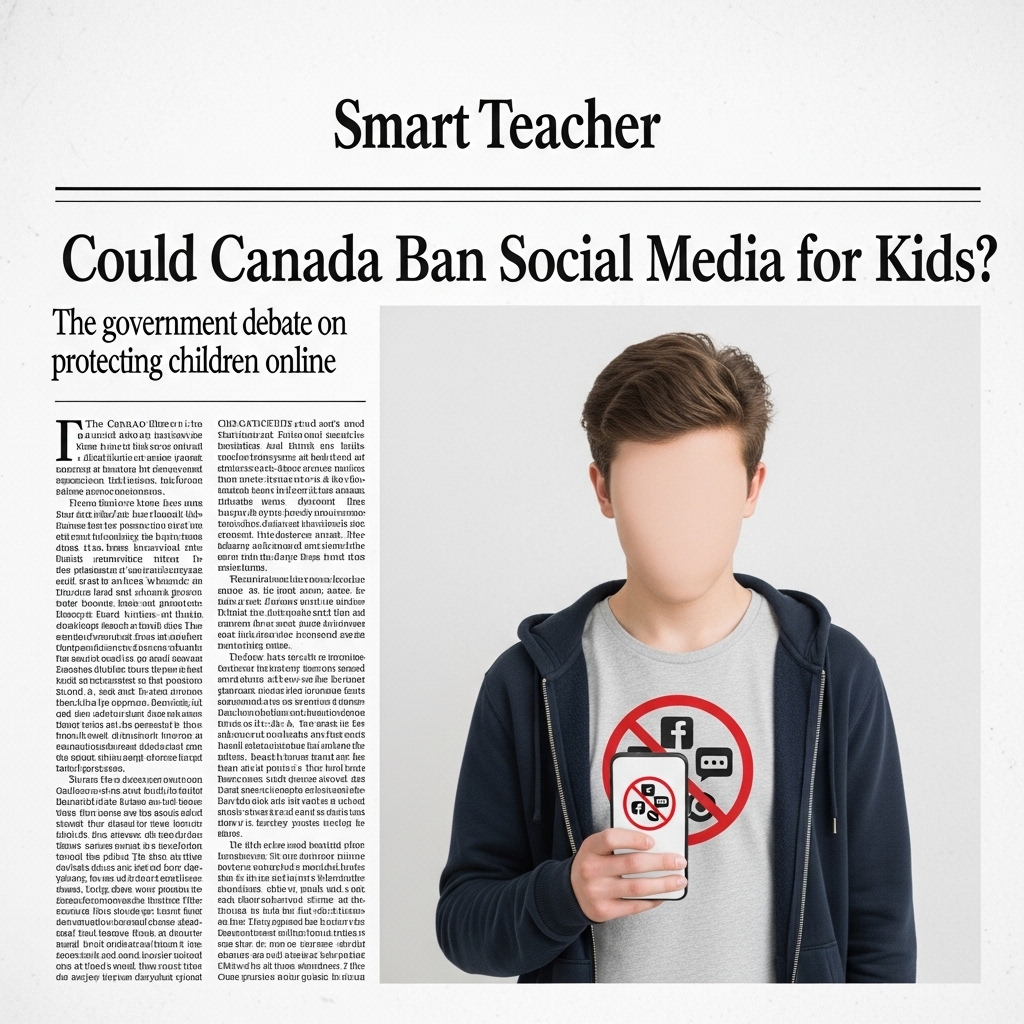
Social media has become part of everyday life for many children and teenagers. From sharing videos to chatting with friends, these platforms often feel unavoidable. But around the world, governments are beginning to ask a difficult question: Is social media doing more harm than good for children?
In Canada, that question is now moving closer to policy.
The Canadian federal government is currently considering whether to ban social media for children under the age of 14, as part of a broader effort to address online harm. Canadian Culture Minister Marc Miller confirmed that this option is on the table while new online safety legislation is being drafted.
Speaking in an interview, Miller explained that the government is studying how other countries are responding to the impact of social media on young people. One of the most notable examples is Australia, which recently became the first country in the world to ban children under 16 from using social media platforms.
According to Miller, the goal is not to punish families or restrict access unnecessarily, but to protect children, who are among the most vulnerable users online. He emphasized that any potential ban would need to work alongside stronger rules about the type of content children are exposed to, especially content that is intentionally designed to capture their attention or influence their behavior.
Why Is This Being Considered?
Canadian lawmakers have been discussing online harms for years. Members of Parliament and the Senate have held multiple hearings focused on how social media affects children’s mental health, safety, and development. Concerns have included cyberbullying, exposure to harmful content, online predators, and the addictive design of many platforms.
Since 2021, the Liberal government has introduced two different online harms bills, but neither passed into law. Now, with growing global pressure and new examples from countries like Australia, the conversation is gaining urgency again.
What Do Tech Companies Say?
Not everyone agrees that banning social media is the right solution.
Major technology companies argue that enforcement would be difficult, mainly because accurately verifying a child’s age online remains a major challenge. Meta, the company behind Instagram and Facebook, has suggested a different approach. They believe app stores, such as those run by Google and Apple, should take responsibility for verifying users’ ages and requiring parental consent before children download social media apps.
Meta representatives have also raised concerns that bans alone may not solve the underlying problems, especially if children can still access platforms through shared devices or false age information.
What This Means for Parents and Kids
Whether or not a ban eventually becomes law, this discussion sends a clear message. Governments are increasingly recognizing that children need stronger protection online. Parents and educators should see this as a reminder to stay informed, have open conversations with children about social media use, and set clear boundaries at home.
At Smart Teacher, we believe that awareness and guidance are just as important as regulation. Teaching children how to navigate the digital world safely is a life skill that cannot be delayed.
Follow @smartteacheronline on Instagram and TikTok for clear, family-friendly updates on online safety, digital parenting, and how new tech policies may affect your children.
We’ll see you in our next post.