WHAT ARE 2-FACTOR AUTHENTICATIONS AND WHY ARE THEY IMPORTANT?
In today’s digital world, keeping our online accounts safe is as important as locking our front doors.
That’s why 2-Factor Authentication, or 2FA, has become everyone’s best friend – from kids doing homework on tablets to parents managing family finances and professionals handling work emails. But what exactly is it, and why does it matter so much?
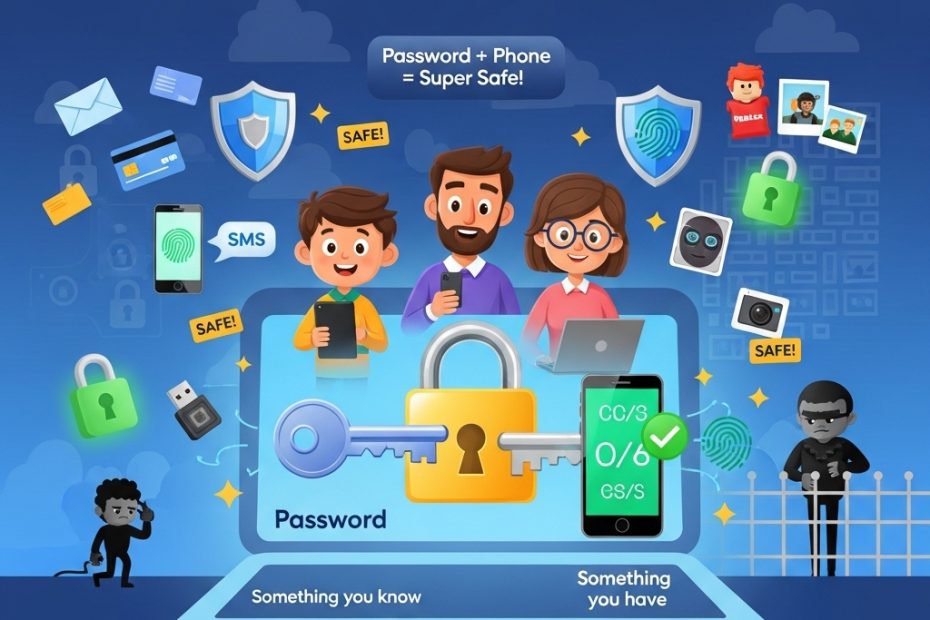
Simply put, 2FA is a double-lock system for your accounts. You already use one lock every day: your password (something you know).
But passwords can be guessed, stolen in data leaks, or tricked out of you by sneaky phishing emails. 2FA adds a second, completely different proof that it’s really you – like a code sent to your phone, your fingerprint, or a quick face scan on your device.
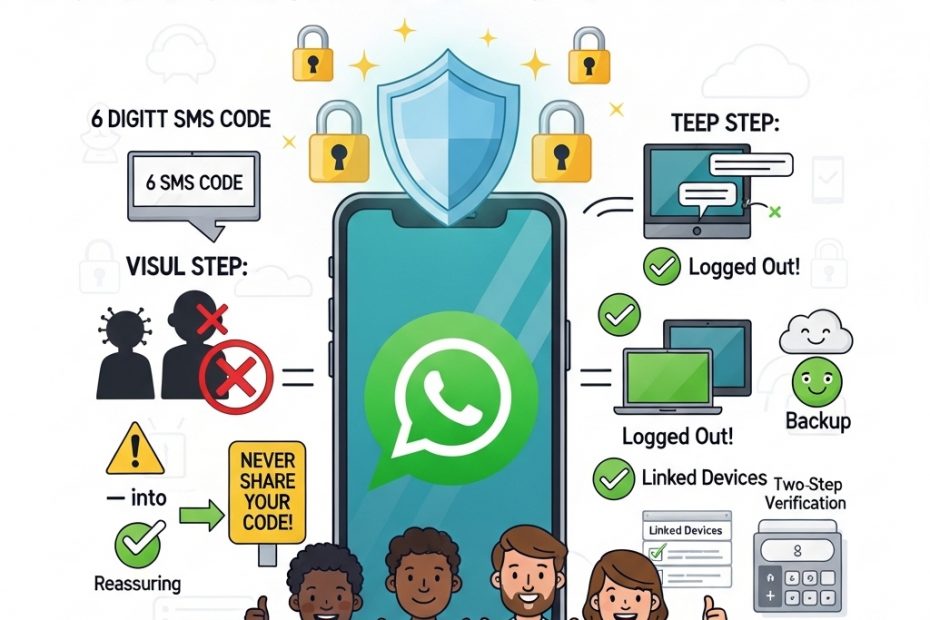
Here’s how it works in easy steps: First, enter your username and password. The website checks them. Then it asks, “Prove it’s you!” You get a special code on your phone or use your fingerprint. Only when both match do you get inside. Hackers might steal your password from somewhere else, but without that second step, they’re locked out!
There are several types of 2FA factors: knowledge (passwords or security questions), possession (phone codes or authenticator apps), biometric (fingerprints or face ID), and even location or time checks. Most people start with password plus phone code – it’s simple and free on Gmail, banking apps, school platforms, and games like Roblox.
Why is it so important? Because one password is no longer enough in our connected world. 2FA stops 99% of automatic hacker attacks, protects kids’ gaming and school accounts from strangers, prevents parents from losing money to online fraud, and keeps professionals’ sensitive files secure. It reduces identity theft, phishing success, and data breaches. Even big companies use it to build customer trust!
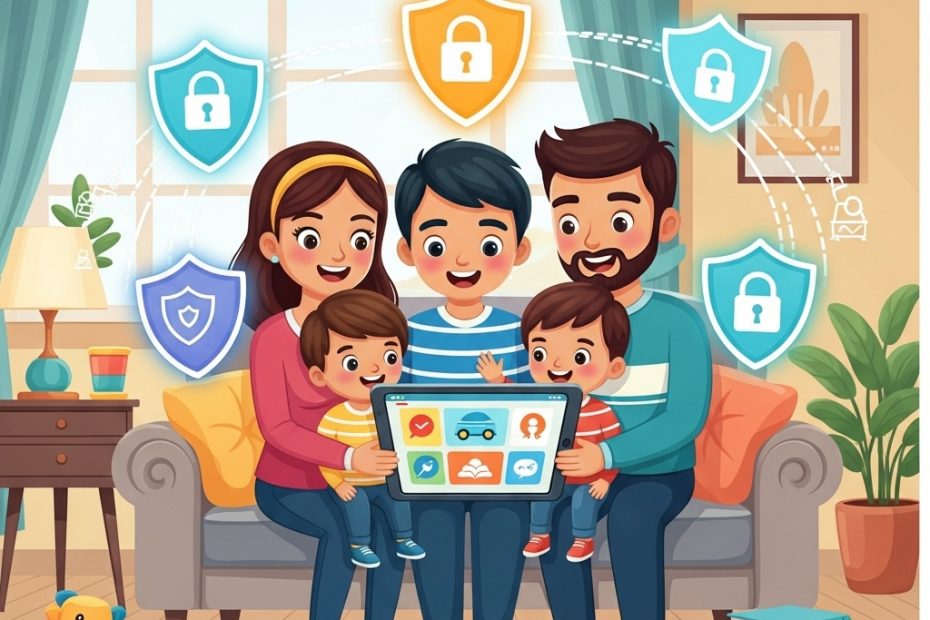
Best of all, turning it on takes just two minutes in your account settings. Choose app-based or biometric options over plain texts for extra safety. Teach your family: never share codes, and enable 2FA everywhere – email first, then everything else.
At Smart Teacher, we believe every child, parent, and professional deserves to explore the internet without fear. 2FA is your simple superpower.
Turn it on today and enjoy peace of mind tomorrow!