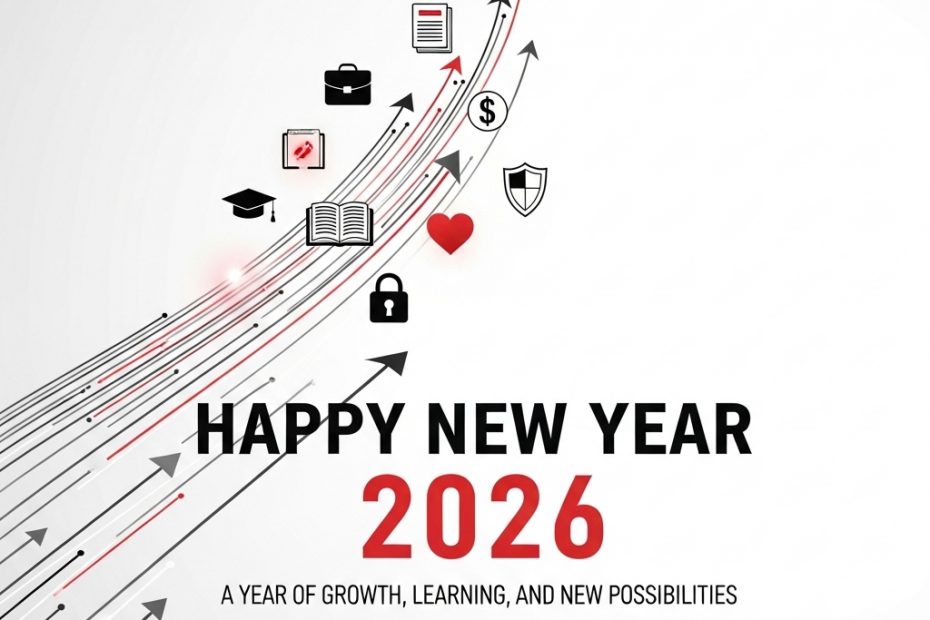
Happy New Year from Smart Teacher Platform!
A new year always arrives with a quiet sense of possibility. It gives us space to reflect on where we have been and hope for where we are going. As we step into 2026, we do so with gratitude for everything the past year taught us. The wins reminded us of our potential. The losses taught us resilience. The lessons helped us grow stronger, wiser, and more aware.
2026 feels like a year of movement and intention. A year where growth touches every part of our lives. In our careers, it is a chance to stretch, learn new skills, and pursue opportunities that align with our purpose. In academics, it is a year to stay curious, committed, and open to knowledge. In finances, it is a time to build stability, make informed decisions, and plan for the future with confidence. In love and relationships, it is a season to nurture meaningful connections and release those that no longer serve our growth.
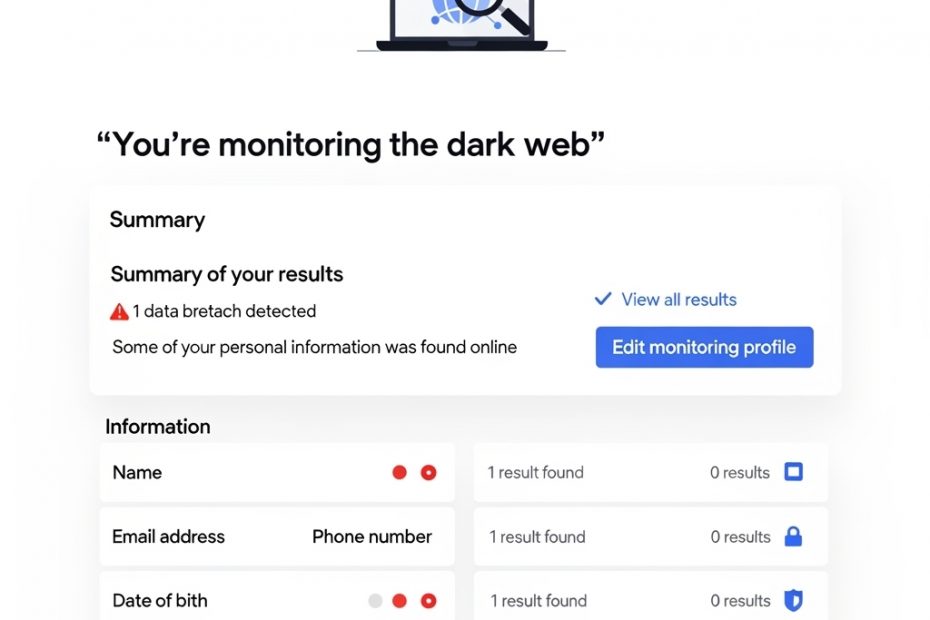
This year also invites us to reflect on how we interact with the digital world. Technology is no longer separate from daily life. It influences how we communicate, work, learn, and manage our personal information. 2026 is a year to become more cyber-aware, to understand the risks that exist online, and to learn how to protect ourselves and those we care about. Staying informed is no longer optional. It is a life skill.
Learning, unlearning, and relearning will be a defining theme of this year. Learning new ways to grow and adapt. Unlearning habits that hold us back. Relearning healthier approaches to life, work, relationships, and digital safety. Growth is rarely linear, but every step forward matters.
Another powerful theme of 2026 is connection. This is a year to form new, useful friendships built on shared values, respect, and growth. It is also a year to gently step away from relationships that no longer align with who we are becoming. This process is not about loss, but about making room for better things.
As we look ahead, 2026 feels full of promise. It is a year to break new ground, to take thoughtful risks, and to trust ourselves more deeply. No matter what goals you are carrying into this new year, we hope they are met with clarity, support, and progress.
From all of us at Smart Teacher Platform, we wish you a year filled with growth, learning, security, and meaningful success in every area of your life.