Skip to content

Could Canada Be the Next Country to Ban Social Media for Kids?

Social media has become a normal part of childhood for many families, but governments around the world are beginning to ask whether children are being exposed too early and at too great a cost. In Canada, this question is now at the center of a growing policy debate, as the federal government considers a possible ban on social media for children under the age of 14.

Canadian Culture Minister Marc Miller has confirmed that such a ban is being explored as part of broader online harm legislation. The move comes amid rising concern about how social media affects children’s mental health, safety, and development. From cyberbullying and online harassment to exposure to inappropriate content and addictive design features, parents and educators have long raised alarms about the risks children face online.

Canada is not alone in this conversation. Australia recently became the first country in the world to ban children under 16 from using social media platforms. That decision has sparked global discussion, with governments watching closely to see whether the policy will be effective in protecting young users. Canadian lawmakers are now examining similar approaches as they reconsider how best to safeguard children in digital spaces.

Parliament has spent several years studying online harms. Lawmakers have held multiple hearings focused on how social media platforms target young users and how easily children can be drawn into harmful online experiences. Since 2021, two versions of online safety legislation have been introduced but failed to pass. With increasing public concern and international examples to reference, the pressure to act is growing.

Technology companies, however, are pushing back against the idea of an outright ban. Many argue that enforcing age limits online is difficult, as current systems for age verification are often unreliable. Companies like Meta have suggested shifting responsibility to app stores, where Google and Apple could verify ages and require parental consent before allowing children to download social media apps.

For parents, this ongoing debate highlights an important reality. Regardless of whether a ban becomes law, children need guidance, boundaries, and education when it comes to social media use. Laws can help set limits, but they cannot replace conversations at home, parental involvement, and digital literacy.

For children, the discussion is a reminder that online spaces are not always designed with their well-being in mind. Social media platforms are built to capture attention and encourage constant engagement, which can affect self-esteem, sleep, and emotional health.

As Canada weighs its options, families are encouraged to stay informed and proactive. Understanding the risks, setting clear rules, and maintaining open communication can help children navigate the online world more safely, regardless of what legislation is eventually passed.

CYBERBULLYING and it’s effects on young people.

Cyberbullying has changed the way bullying affects young people. In the past, bullying often ended when a child left school. Today, it can follow them home through phones, social media, and messaging apps, making it almost impossible to escape. The emotional damage caused by cyberbullying can be severe, especially when it goes unnoticed for long periods.

Sophie was just 14 when her teacher, Ethan, noticed something was wrong. She had become withdrawn in class, avoided her phone, and seemed distracted and uninterested in her schoolwork. These changes may not seem alarming on their own, but together they formed a pattern that Ethan recognized as a sign of distress.

Like many teenagers, Sophie found it hard to talk about what she was going through. Fear and embarrassment kept her silent. When Ethan involved her parents, they slowly learned that Sophie was being bullied by her peers, both at school and online.

What made Sophie a target was something many children experience. She wore glasses because of myopia. For years, it had not mattered. Then suddenly, classmates began mocking her appearance. The teasing spread quickly and turned cruel. Sophie lost friends and became isolated, labeled as “different.”

The bullying became far more dangerous when it moved online. Former friends created a fake social media group designed to humiliate her. The group grew rapidly, and Sophie was tagged in hateful posts and sent abusive messages. She was threatened with the exposure of private messages and false rumors if she spoke out. The bullying continued for months, silently damaging her mental health.

By the time adults intervened, Sophie had begun self-harming. This moment highlighted how deeply cyberbullying can affect a young person when it is hidden and unresolved. With support from her teacher and parents, the fake accounts were reported, the bullying stopped, and steps were taken to prevent it from happening again.

Today, Sophie is confident, resilient, and preparing for college. Her story reminds us that cyberbullying is serious, but it is not unstoppable. Early attention, open communication, and teamwork between parents, teachers, and schools can protect children and help them heal.

BEFORE GETTING THAT GADGET FOR YOUR TEENAGER, CONSIDER THESE FIRST!

The moment a parent hands a teenager their first serious gadget often feels bigger than it looks. It is not just a phone or a laptop. It is a quiet transition. A step toward independence. A signal of trust. For many families, this moment comes with excitement, hesitation, and a long list of questions that rarely have simple answers.

Teenagers today live in a world where technology is everywhere. School assignments are submitted online. Friendships are maintained through messages and social platforms. Information is available at the tap of a screen. It is no surprise that many parents feel pressure to buy devices earlier than they planned, especially when everyone around them seems to be doing the same. But giving a teenager a gadget is not a decision to rush. It deserves thought, conversation, and clarity.

Before any device changes hands, one question matters more than the brand or the model. Is this teenager ready? Readiness has very little to do with age and everything to do with maturity. Some teenagers can manage screen time, respect boundaries, and communicate openly about what they encounter online. Others may still struggle with impulse control or emotional regulation. A device connected to the internet opens doors to learning and creativity, but it also opens doors to content, conversations, and pressures that can be overwhelming without guidance.

Many parents underestimate how quickly a gadget becomes part of a teenager’s emotional world. It can shift routines, affect sleep, change attention spans, and influence self-esteem. Once exposure begins, it is difficult to reverse. That is why it is important for parents to slow down and consider not just what their teenager wants, but what they truly need at this stage of development.

Clear rules are another part of the conversation that cannot be skipped. Devices without boundaries often create confusion and conflict. Teenagers need structure, even when they push against it. Talking openly about screen time, online safety, social media behavior, and consequences builds trust and prevents misunderstandings. When expectations are clear from the beginning, teenagers are more likely to use their devices responsibly.

Parental involvement does not end once the device is handed over. Monitoring, guidance, and regular check-ins are essential. This is not about control or surveillance. It is about protection and partnership. Teenagers are learning how to navigate a digital world that even adults are still figuring out. They need support, not silence.

Finally, gadgets can be powerful tools for building responsibility when used intentionally. Involving teenagers in decisions about data usage, care of the device, and balanced routines teaches accountability. Encouraging offline activities, face-to-face relationships, and downtime reminds them that technology is a tool, not a replacement for real life.

Giving a teenager a gadget is not just a purchase. It is a parenting decision that shapes habits, values, and trust. When handled thoughtfully, it can become a positive step forward rather than a source of regret.

January, 2026. A New Month, A Fresh Start: Helping Kids and Parents Set Meaningful Goals Together.

The beginning of a new month carries a quiet kind of hope. It is a natural pause point, a moment that invites families to reflect and ask, What do we want to do differently this time? For parents and children alike, the start of the year or a new month feels like a clean slate, an opportunity to begin again with fresh energy and clearer intentions.

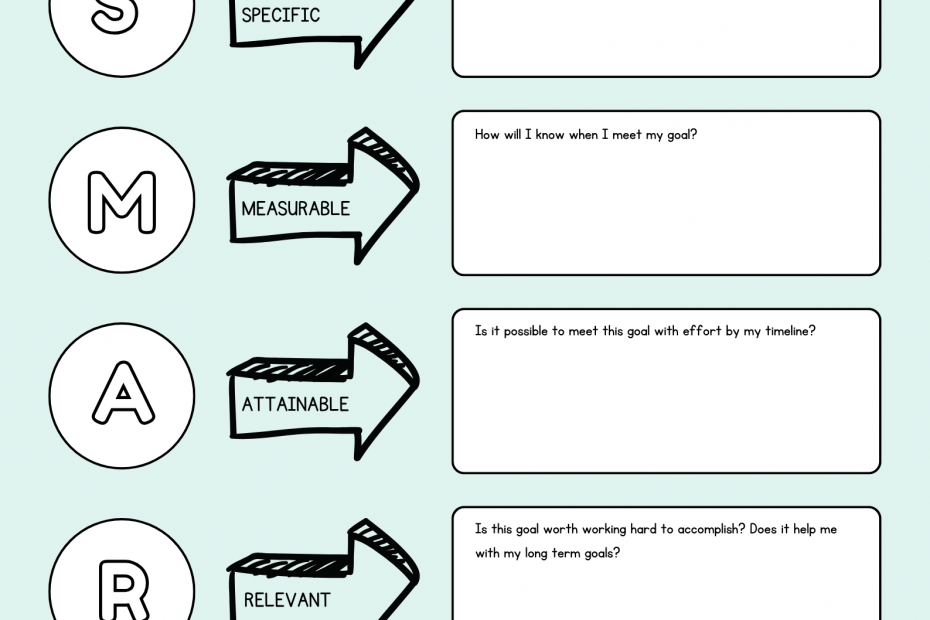
At Smart Teacher Online, we believe that goal setting is one of the most powerful tools parents can share with their children, especially when it is done together. Goals give children direction. They help them understand what they are working toward and why their effort matters. When children are involved in setting their own goals, they feel a sense of ownership that builds confidence and motivation.

For parents, goal setting is also an opportunity for a fresh start. It allows families to let go of last year’s frustrations and focus on what is possible moving forward. Instead of pressure or comparison, goal setting can become a way to encourage growth, resilience, and communication.

The key is keeping it simple and supportive. Children do not need complex systems or long lectures. They need clarity, encouragement, and achievable steps. Small goals, written down and revisited often, help children see progress and feel proud of their efforts. When parents participate in the process, it becomes a shared journey rather than a list of expectations.

This month, as part of our goal-setting theme, we are offering something special to our community. Inside this blog post, you will find a Google Drive link that gives you access to our free goal setting templates for both kids and parents. These templates are designed to make goal setting easy, practical, and stress-free.

This is our free gift to you, our loyal community members who have been with us since the early days of Smart Teacher Online. We created these resources to support your family as you begin this new chapter together.

Happy New Year from Smart Teacher Platform!

A new year always arrives with a quiet sense of possibility. It gives us space to reflect on where we have been and hope for where we are going. As we step into 2026, we do so with gratitude for everything the past year taught us. The wins reminded us of our potential. The losses taught us resilience. The lessons helped us grow stronger, wiser, and more aware.

2026 feels like a year of movement and intention. A year where growth touches every part of our lives. In our careers, it is a chance to stretch, learn new skills, and pursue opportunities that align with our purpose. In academics, it is a year to stay curious, committed, and open to knowledge. In finances, it is a time to build stability, make informed decisions, and plan for the future with confidence. In love and relationships, it is a season to nurture meaningful connections and release those that no longer serve our growth.

This year also invites us to reflect on how we interact with the digital world. Technology is no longer separate from daily life. It influences how we communicate, work, learn, and manage our personal information. 2026 is a year to become more cyber-aware, to understand the risks that exist online, and to learn how to protect ourselves and those we care about. Staying informed is no longer optional. It is a life skill.

Learning, unlearning, and relearning will be a defining theme of this year. Learning new ways to grow and adapt. Unlearning habits that hold us back. Relearning healthier approaches to life, work, relationships, and digital safety. Growth is rarely linear, but every step forward matters.

Another powerful theme of 2026 is connection. This is a year to form new, useful friendships built on shared values, respect, and growth. It is also a year to gently step away from relationships that no longer align with who we are becoming. This process is not about loss, but about making room for better things.

As we look ahead, 2026 feels full of promise. It is a year to break new ground, to take thoughtful risks, and to trust ourselves more deeply. No matter what goals you are carrying into this new year, we hope they are met with clarity, support, and progress.

From all of us at Smart Teacher Platform, we wish you a year filled with growth, learning, security, and meaningful success in every area of your life.

Boxing Day, Thanksgiving, and the Funny Things We All Learn Along the Way.

For the longest time, I truly believed Boxing Day was a holiday created to celebrate martial arts and boxing. In my mind, it was a day dedicated to fighters, discipline, and maybe even a little shadowboxing for fun. I imagined it as a respectful nod to combat sports, something serious and powerful. That belief stayed with me for years, and I never once questioned it.

Then one random day, while scrolling through Twitter, everything changed. I came across a post casually explaining that Boxing Day had nothing to do with boxing as a sport. It was about boxes. Gift boxes. The ones left over after Christmas. I stared at my screen for a few seconds before bursting into laughter. All those years of dramatic assumptions, and the truth was sitting quietly inside a cardboard box.

Boxing Day, traditionally celebrated the day after Christmas, is about unboxing gifts, sharing extras, giving to those in need, and enjoying a slower pace after the excitement of Christmas Day. It is often spent returning gifts, hunting for good deals, visiting family, or simply resting. It is a holiday rooted in generosity and comfort, not combat. Once I learned that, the name suddenly made perfect sense, and my old assumption became a funny story I now love to tell.

Thanksgiving has always been much easier to understand. It is the holiday that revolves around gratitude, food, and family. It is the one day where everyone agrees to pause, sit down together, and reflect on what they are thankful for. Whether the turkey turns out perfect or slightly dry, Thanksgiving is less about perfection and more about presence.

What connects Thanksgiving and Boxing Day is the way they bring people together in different but meaningful ways. Thanksgiving gathers everyone before the holiday rush, reminding us to appreciate what we already have. Boxing Day allows us to slow down after the excitement, enjoy what we received, and share what we can.

These holidays also remind us that it is okay to misunderstand traditions at first. Sometimes, those misunderstandings become the best memories. They give us something to laugh about and share. They make the holidays feel human and warm.

At the end of the day, holidays are not about getting everything right. They are about connection, learning, laughter, and the stories we carry forward. And sometimes, those stories start with thinking Boxing Day was about boxing gloves instead of gift boxes.

A Christmas Day Message from All of Us at Smart Teacher Platform.

Christmas Day has a special way of bringing people together, no matter how busy life has been. It is a day that encourages us to pause, reflect, and appreciate the moments that truly matter. At Smart Teacher Platform, we believe Christmas is not just about celebration, but about connection, gratitude, and hope for the days ahead.

Today, we want to send warm wishes to everyone who is part of our community. Whether you are waking up to a house filled with excitement, enjoying a quiet morning, or spending the day thinking of loved ones near and far, we hope Christmas meets you with peace. The beauty of this day is that it does not demand perfection. It simply asks us to be present and to cherish the small, meaningful moments.

This season is often filled with traditions that remind us of comfort and familiarity. Shared meals, favorite songs, thoughtful messages, and simple gestures all come together to create lasting memories. Even in the midst of challenges, Christmas carries a message of renewal and reassurance. It reminds us that kindness still matters, connection still matters, and hope is always worth holding onto.

We are deeply grateful for the readers who have supported Smart Teacher Platform throughout the year. Your presence has helped build a community centered on learning, growth, and positive impact. Knowing that our words reach homes, families, and individuals across different places is something we do not take lightly.

As the year begins to close, Christmas offers a chance to rest before stepping into something new. It is a moment to reset, reflect, and look ahead with optimism. We hope you give yourself permission to slow down today, to enjoy the people around you, and to carry the warmth of this season into the coming year.

From everyone at Smart Teacher Platform, we wish you a joyful and peaceful Christmas. May your day be filled with light, laughter, and moments that stay with you long after the holiday ends.

Follow us on Instagram @smartteacheronline for updates, stories, and moments we share all year round.

To our Smart Teacher online community? We say Thank You!

As Christmas approaches, it feels like the perfect time to pause and reflect on the journey we have shared together at Smart Teacher Platform. The holiday season invites us to slow down, look back with gratitude, and appreciate the people and moments that made the year meaningful. For us, that begins with you, our readers, who have been with us from the early days of this blog until now.

When Smart Teacher Platform was first created, it was built around a simple idea: cybersecurity awareness should be easy to understand and relevant to everyday life. We wanted parents to feel confident guiding their children online, kids to feel informed rather than afraid, and professionals to stay updated without feeling overwhelmed. Seeing this vision resonate with so many of you has been incredibly rewarding. Your continued support, engagement, and trust have been the foundation of our growth.

Throughout the year, we tackled important and sometimes complex topics together. We discussed online scams, data breaches, AI risks, privacy concerns, and the small digital habits that make a big difference. Each article was written with care, knowing that behind every screen is a real person trying to stay safe in a fast-changing digital world. Your feedback and loyalty reminded us that these conversations matter and that awareness truly has the power to protect.

Christmas is a time centered on family, connection, and care, values that closely reflect what we stand for as a platform. As homes fill with new devices, shared screens, and online activity during the holidays, it becomes even more important to approach technology with mindfulness. This season offers a gentle opportunity to talk about online safety in a positive way, whether that means setting boundaries, updating security settings, or simply checking in with loved ones about their digital experiences.

Looking ahead, we are excited for the year to come. Technology will continue to evolve, and with it, new opportunities and new risks will emerge. Our commitment remains the same: to provide clear, reliable, and family-friendly cybersecurity guidance you can trust. We look forward to continuing this journey with you, learning together, and building a safer digital future one conversation at a time.

As the year draws to a close, we want you to know how deeply grateful we are for your presence in this community. Thank you for reading, for sharing, and for choosing to stay informed. From all of us at Smart Teacher Platform, we wish you a joyful, peaceful, and safe Christmas filled with warmth and meaningful moments.

Follow us on Instagram @smartteacheronline for practical, family-friendly cyber tips and weekly updates.

Google to Shut down Dark Web Monitoring Tool in February 2026.

Google has announced that it will shut down its dark web report tool in February 2026, ending a feature designed to alert users when their personal information appeared on the dark web. Scans for new breaches will stop on January 15, 2026, and the tool will be fully retired on February 16, 2026. While this may sound worrying at first, Google says the decision was made after feedback showed that the tool did not provide clear next steps for users after alerts were received.
The dark web report tool was launched in March 2023 to help users detect identity theft risks linked to data breaches. It scanned hidden online marketplaces and forums for personal details such as names, email addresses, phone numbers, home addresses, and Social Security numbers. When information was found, users were notified so they could take action. In July 2024, Google expanded the feature to all account holders, making it widely available.
Despite its intentions, many users felt unsure about what to do after receiving alerts. Google says it now wants to focus on tools that offer more direct protection rather than just notifications. Once the feature is retired, all associated data will be deleted. Users who want to remove their information sooner can manually delete their monitoring profile from the dark web report settings.
For families and professionals, this change serves as a reminder that online safety depends on everyday habits. Google is encouraging users to adopt passkeys, which offer a safer alternative to passwords and protect against phishing attacks. Another recommended step is using the “Results about you” feature, which helps remove personal information from search results.
Parents can use this moment to teach children why protecting personal information matters. Kids should understand that sharing details online can have long term consequences. Professionals should also review account security and ensure sensitive data is well protected.
The shutdown of this tool does not mean online risks are going away. Instead, it highlights the importance of awareness, strong security practices, and ongoing education. Staying informed and proactive remains the best defense in a digital world that continues to evolve.

New Cyber security Guidance Paves the Way for AI in Critical Infrastructure.

Artificial intelligence is moving from the world of ideas into the heart of the systems that power modern life. From electricity and transportation to water treatment and manufacturing, AI is helping industries become more efficient and predictive. But with this progress comes a new challenge, how to use AI safely in systems that affect millions of lives.
Global cybersecurity agencies, including CISA, the FBI, the NSA, and Australia’s Cyber Security Centre, have come together to publish the first unified guidance on the secure use of AI in critical infrastructure. The document, titled Principles for the Secure Integration of Artificial Intelligence in Operational Technology, represents a turning point for cybersecurity and safety. It provides practical, real-world direction for operators who are integrating AI into essential services.
The guidance acknowledges AI’s potential to transform operations while warning about the risks of relying on it too heavily. It draws a clear line between safety and security—two ideas that are often confused. Security focuses on protecting systems from cyber threats, while safety ensures that the technology does not cause physical harm. AI, especially large language models, can behave unpredictably or “hallucinate,” making it unsuitable for making safety-critical decisions. Instead, AI should assist human operators, not replace them.
For instance, an AI system in a power plant might analyze data from turbines and recommend an adjustment, but if it misreads the data, the result could damage equipment or threaten worker safety. The guidance emphasizes that humans must always validate AI’s suggestions with independent checks. This partnership ensures that technology enhances, rather than undermines, safety.
The report also introduces strong architectural recommendations. Agencies advise using “push-based” systems that allow AI to analyze summaries of operational data without having direct control or inbound access to core systems. This setup prevents cybercriminals from exploiting AI connections to infiltrate critical networks.
Beyond technical design, the guidance highlights a human challenge, maintaining expertise. As industries automate, experienced operators are retiring, and younger staff may rely too much on digital tools. The guidance encourages organizations to preserve manual skills and ensure teams are trained to question and verify AI-generated outputs.
Another key message is transparency. Many companies are finding that AI is being built into tools and platforms without clear disclosure. The new framework urges organizations to demand clarity from vendors, requiring them to share details about model training data, storage, and how AI is embedded in products. This transparency helps organizations make informed decisions before adopting new technologies.
Above all, the document reinforces that accountability lies with people. Humans remain responsible for ensuring that systems function safely. The best results come when people and AI work together, combining human intuition with machine precision. This new guidance gives the world a map for doing just that—building resilience by pairing human oversight with technological progress.
Stay Smart. Stay Secure. Stay Cyber-Aware. Follow us on Instagram @smartteacheronline for practical, family-friendly cyber tips and weekly updates.