Hello there, Smart Learners! Welcome to the beautiful month of December. I hope this month is kind to you and yours.
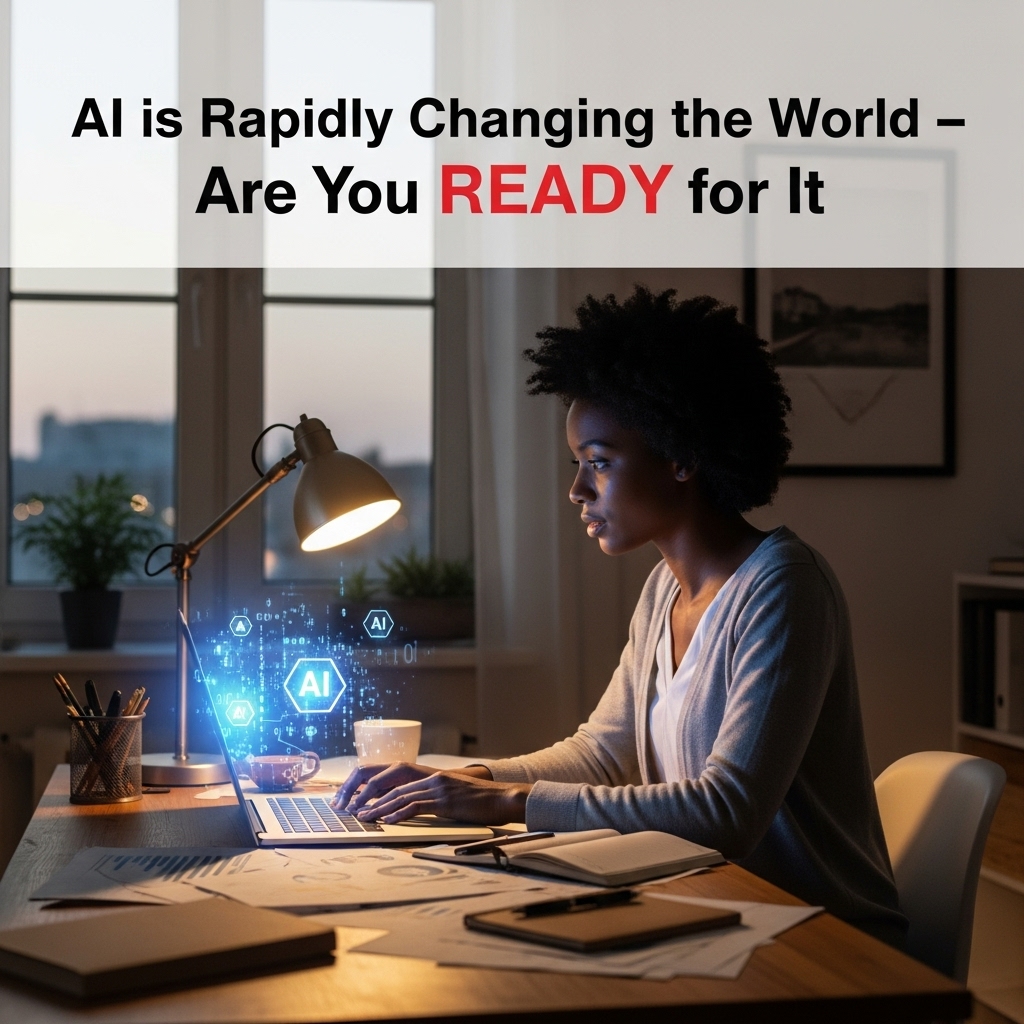
It is no longer a secret that artificial intelligence (AI) is changing the world faster than any other technology in modern history. From voice assistants like Alexa and Siri to chatbots like ChatGPT, AI is now shaping how we learn, work, communicate, and even make decisions. Between 2026 and 2030, experts say AI will have a major impact on the global job market, creating new opportunities while also replacing some traditional roles. For families, students, and professionals, understanding this shift is key to staying ahead in a world that is evolving by the day.
Many companies have already integrated AI into their daily operations. Google now uses AI to build presentations, analyze data, and write reports. Tools like Gamma and Numerous AI are transforming the way people work. Some people see this as progress, while others see it as a threat. The truth, however, lies somewhere in the middle. AI will take over some repetitive jobs, but it will also create many new ones that never existed before. The real challenge will be learning how to adapt.
Some industries will feel the effects sooner than others. Jobs like customer service, data entry, and bookkeeping are already being automated because they involve tasks that can be easily performed by machines. However, AI will also open new career paths in software development, data science, cybersecurity, AI ethics, and robotics. Experts say those who learn how to work alongside AI, rather than resist it, will have the greatest success in the years ahead.
According to the McKinsey Global Institute, AI could add as much as $13 trillion to global economic activity by 2030, raising the global GDP by 16 percent compared to today. This growth will largely come from automation, innovation, and improved productivity. By that time, nearly 70 percent of companies worldwide will have adopted at least one type of AI technology. This means that understanding AI is not optional, it is becoming essential for personal and professional growth.
Still, not everyone is optimistic. Some workers in manual or routine roles worry that automation will make their jobs disappear. Reports from Goldman Sachs and the World Economic Forum predict that millions of jobs could be affected. In fact, AI could replace the equivalent of 300 million full-time jobs globally, while 85 million could be lost as early as 2026. However, this does not mean mass unemployment. It means the nature of work is changing. For every job that disappears, new ones will appear in fields that demand creativity, emotional intelligence, and advanced technical skills.
For instance, jobs that rely on human connection, like teachers, surgery, psychologists, HR managers, and artists, will definitely remain vital. These roles require empathy, critical thinking, and creativity, which AI cannot replicate. Similarly, leadership positions like directors, managers, and CEOs depend on judgment, decision-making, and human relationships that machines cannot replace.
At the same time, the rise of AI will demand new kinds of expertise. Workers in the future will need to be agile, tech-savvy, and willing to learn continuously. The ability to combine technical knowledge with soft skills such as problem-solving, communication, and collaboration will make a huge difference. Lifelong learning will no longer be a luxury, it will be a necessity. Professionals who continuously upgrade their skills through online courses and certifications will stay relevant in the workforce.
For children and students, this shift means that schools and parents must start preparing them early. Encouraging curiosity about technology, problem-solving, and creative thinking will help young learners adapt more easily. Instead of fearing AI, kids can be taught how to use it safely, ethically, and intelligently.
Professionals, on the other hand, can take advantage of next-generation learning institutions that offer AI-aligned degrees and skill-based courses. These universities and online platforms are designed to help people transition into AI-related careers faster, focusing on real-world applications and employer needs. Their programs teach practical, up-to-date skills that match the demands of a rapidly changing digital economy.
Ultimately, the conversation about AI should not just be about job loss, it should be about transformation. Every major technological revolution in history has replaced certain jobs while creating others. AI is no different. It allows humans to focus on creativity, innovation, and complex decision-making, while machines handle routine and repetitive work.
The key message is clear: artificial intelligence will not just change the world, it will reshape it completely. It will redefine how we learn, work, and live. The best way to prepare is to embrace change, stay adaptable, and develop the skills that the future demands. Those who resist will struggle to keep up, while those who learn and adapt will thrive in the new era of intelligence.
Stay Smart. Stay Secure. Stay Cyber-Aware. Follow us on Instagram @smartteacheronline for practical, family-friendly cyber tips and weekly updates.