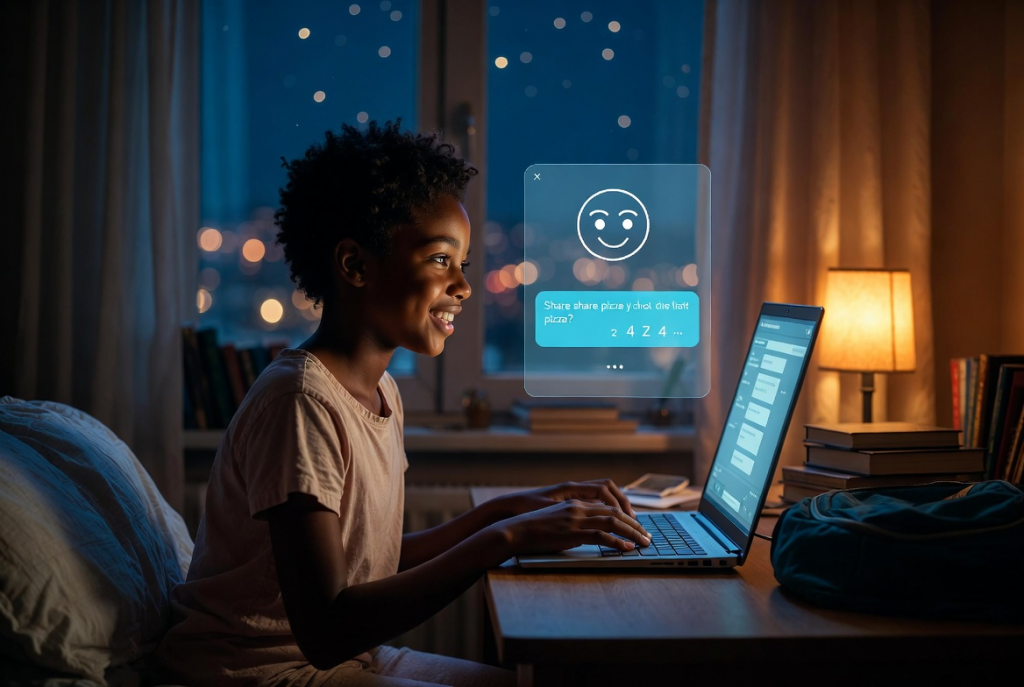
The superpower every child needs in our connected world
It was a rainy afternoon in Port Harcourt when 11-year-old Chidi first felt the thrill — and the sting — of the digital world.
He had just joined an online gaming club with friends from school. Excited, he clicked a bright pop-up promising “free in-game coins.” Seconds later, his tablet slowed to a crawl. Strange messages flooded the screen. His mom’s worried voice called from the kitchen: “Chidi, what’s happening?”
That night, after his dad helped remove the malware, Chidi sat quietly. He had shared his email without thinking. He hadn’t checked if the offer was real. For the first time, he understood: knowing how to use a tablet wasn’t enough. He needed to know how to live in the digital world safely, wisely, and confidently.
This is the story of countless children today. And it’s why digital literacy has become as essential as reading and writing.
The Day Everything Changed for Zara
Picture Zara, a curious 10-year-old in a bustling Lagos neighborhood. One evening, she searched online for “fun science experiments for kids.” The first result looked perfect — colorful pictures, easy steps. But something felt off. The instructions asked her to mix household chemicals that didn’t sound right.
Instead of following blindly, Zara remembered what her teacher had shown her in class: the CRAAP test.
- Currency: Was the page recent?
- Relevance: Did it match what she needed?
- Authority: Who wrote it — a real expert or someone unknown?
- Accuracy: Could she verify the facts elsewhere?
- Purpose: Was it trying to sell something or genuinely help?
She closed the tab, searched differently, and found a safe experiment from a trusted children’s science site. Zara completed it with her little brother, and they both laughed as baking soda and vinegar erupted into a mini volcano.
That small moment of critical thinking protected her — and turned a potential disappointment into family joy.
What Digital Literacy Really Means
Digital literacy isn’t just about typing fast or posting pretty pictures. It’s the ability to navigate, understand, create, and stay safe in our digital world. It’s the skill that turns children from passive screen users into confident, thoughtful digital citizens.
Here’s what every child needs to master, told through the everyday adventures they’ll face:
1. Staying Safe and Private Online Like Chidi learned the hard way, sharing personal details — name, school, location, or photos — can open doors to strangers or scams. Children need to know strong passwords, recognize suspicious links, and understand that once something is posted, it can live forever as part of their digital footprint.
2. Spotting Truth from Tricks In a world full of deepfakes, sponsored posts, and AI-generated stories, kids must ask: “Is this real?” They learn to check multiple sources, look for evidence, and question emotional headlines designed to make them click without thinking.
3. Communicating Kindly and Clearly Whether texting friends, commenting on a school project, or joining a group chat, tone matters. Digital literacy teaches empathy online — how a rushed message can hurt feelings and how thoughtful words build real friendships, even across distances.
4. Creating Responsibly Children love making videos, drawings, or stories on tablets. Digital literacy shows them how to respect others’ work (no copying without credit), protect their own creations, and use tools like simple coding or design apps to bring ideas to life ethically.
5. Understanding AI and Algorithms Today’s children grow up with AI chatbots and recommendation systems. They need to know these tools aren’t magic — they’re powered by data and can sometimes show biased or inaccurate results. Learning to prompt AI wisely and question its outputs prepares them for the future.
A Classroom That Prepares Tomorrow’s Leaders
At a school in Rivers State, teacher Mrs. Okoro turns digital literacy into exciting stories. One week, her class follows “Detective Dayo,” a fictional young hero who must solve a mystery by evaluating online clues without falling for fake news. Students work in teams, fact-check sources, and present their findings.
Another day, they role-play safe social media use. When “Digital Drama” breaks out in their pretend group chat, they practice resolving conflicts kindly instead of escalating with angry replies.
The results? Children become more confident, less anxious about online mistakes, and better at balancing screen time with real-world play.
Why It Matters More Than Ever
In our fast-changing world, 92% of jobs require digital skills. Children without them risk falling behind — not just in school, but in future careers, opportunities, and even staying safe.
Yet the gaps remain real. Many children, especially in communities with limited access, miss these crucial lessons. That’s why parents, teachers, and schools must work together: teaching through stories, games, real examples, and gentle guidance rather than fear.
The good news? Digital literacy grows with practice. A simple conversation after watching a video together. A family rule about asking before clicking unknown links. A game where kids rate whether a news headline is trustworthy.
The Empowered Child of Tomorrow
Years from now, Chidi — the boy who once clicked the wrong pop-up — might smile as he leads a school project using safe online tools. Zara could grow into a young scientist who verifies every claim before believing it.
They won’t fear technology. They’ll harness it.
They’ll know how to protect their privacy, spot manipulation, create with integrity, and connect meaningfully.
Digital literacy doesn’t take away the magic of childhood. It protects it — and equips every child to thrive in a world where screens are everywhere, but wisdom is the real superpower.
What every child needs isn’t just access to devices. It’s the knowledge to use them wisely, safely, and joyfully.
Parents, start small: talk about what they see online. Teachers, weave these skills into stories and projects. Together, we raise a generation that doesn’t just survive the digital age — they shape it for good.
Smart Teacher • 2026 Empowering every child to navigate tomorrow with confidence.