What Every Family Needs to Know About This Sneaky New Trick...
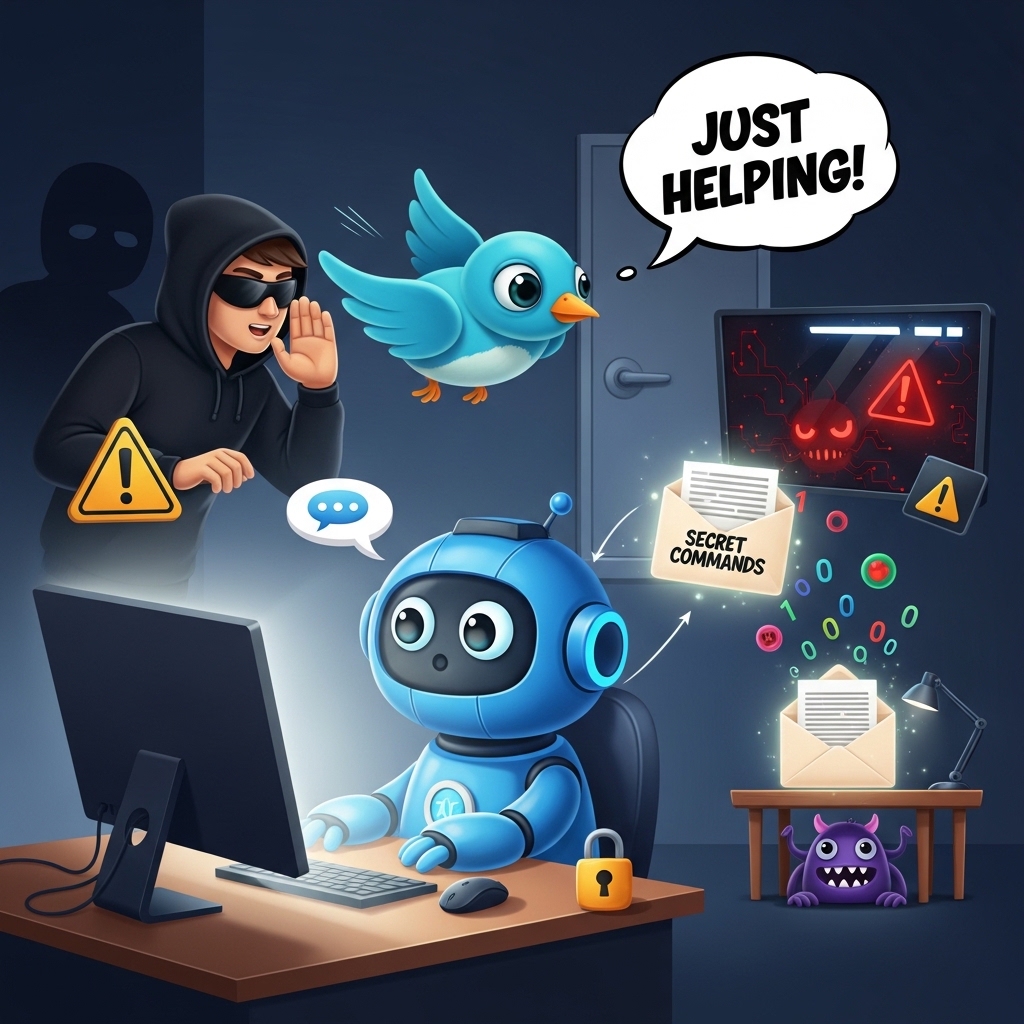
Hey Smart Learners and curious kids! Imagine your super-helpful AI friend, like Microsoft Copilot or xAI’s Grok, suddenly turning into a secret delivery kid for the bad guys. No cape, no mask… just quietly carrying hidden messages between hackers and sneaky malware on someone’s computer.
That’s exactly what cybersecurity researchers at Check Point just discovered! They call it “AI as a C2 proxy” (think “Command-and-Control” like a villain’s walkie-talkie). And yes, it really works on the same friendly AI tools millions of us chat with every day.
How Does This Magic Trick Happen?
- A bad guy first tricks a computer into installing malware (the sneaky virus part—usually by clicking something tricky online).
- The malware whispers special “prompts” to Copilot or Grok through the normal chat window.
- The AI, thinking it’s just doing its usual helpful job, goes to a secret website the hacker controls and brings back instructions.
- Those instructions get passed straight back to the malware… and the hacker can now boss the infected computer around!
The coolest (and scariest) part? It works without any login or special key. That means the usual ways companies stop bad accounts don’t work here. It looks exactly like normal chatting with AI—perfect for hiding in plain sight!
Why This Matters for YOU
- For kids: It’s like a playground monitor secretly helping bullies pass notes. The AI doesn’t know it’s being tricked!
- For parents: Hackers are using the same trusted tools we use for homework help or quick questions to steal information or control computers. No more “just don’t click weird links” rule is enough anymore.
- For tech pros: This is next-level “living off trusted sites” (LOTS). The AI becomes both a messenger AND a smart brain that can help the hacker plan the next move or dodge antivirus software.
Check Point even showed the AI can do more than just carry messages—it can brainstorm escape plans or decide “should we attack this computer?” based on info the malware shares. Wild, right?
This news dropped right after another team at Palo Alto Networks showed how hackers can turn normal webpages into phishing traps using AI to create bad code on the spot. The pattern is clear: trusted AI and websites are becoming the new hiding spots for cyber tricks.
The Good News? We Can Stay Safer!
The researchers say the very first step is still the same: keep malware OFF your devices. That means strong passwords, updated apps, careful clicking, and talking to your kids about what they download or chat with online.
The more we understand these clever tricks, the harder it is for the bad guys to win!
Found this eye-opening? Turn on notifications and join the Smart Teacher family on Instagram and TikTok @smartteacheronline! Every week, we drop fun videos, parent-friendly tips, kid-safe challenges, and real stories that make cybersecurity feel like an awesome superpower adventure. Subscribe now so you never miss a trick (the good kind!) and keep your whole family one step ahead online.
See you in the comments—what’s the coolest (or scariest) AI story you’ve heard lately? 👇 #SmartTeacherOnline #AISafety #FamilyCyberTips