Skip to content

“Have We Bought Everything?”: A Mother’s Saturday Before the New School Year

Saturday morning arrives differently when school resumption is only a few days away. The house is awake earlier than usual, not because anyone planned it that way, but because there is suddenly too much to do. In a Canadian home somewhere in Ontario, Maya’s mother is already standing in the kitchen with her phone in one hand and a shopping list in the other, mentally running through everything she needs before Monday. New notebooks. Pencils. Pens. A lunch bag. A… 

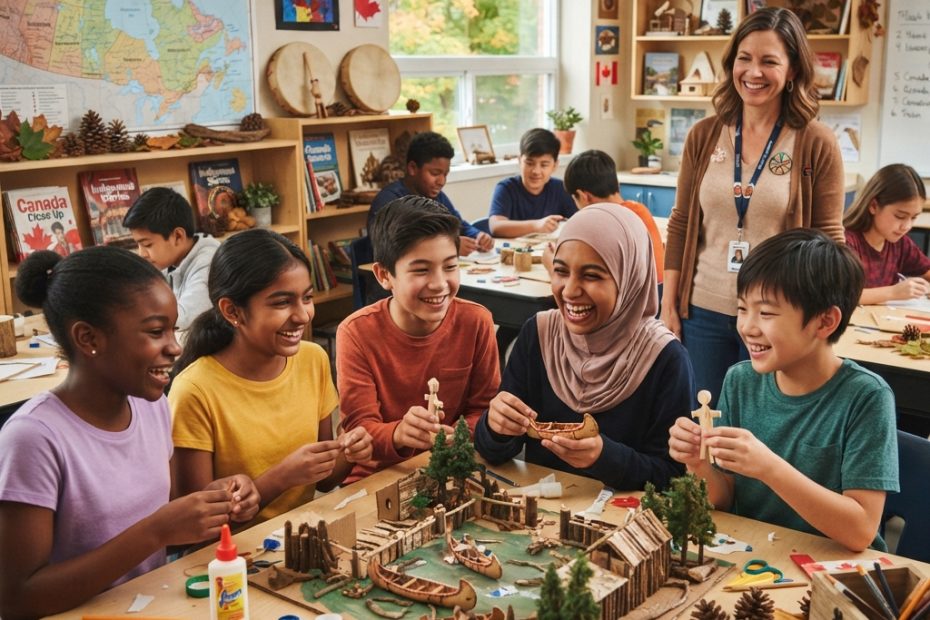
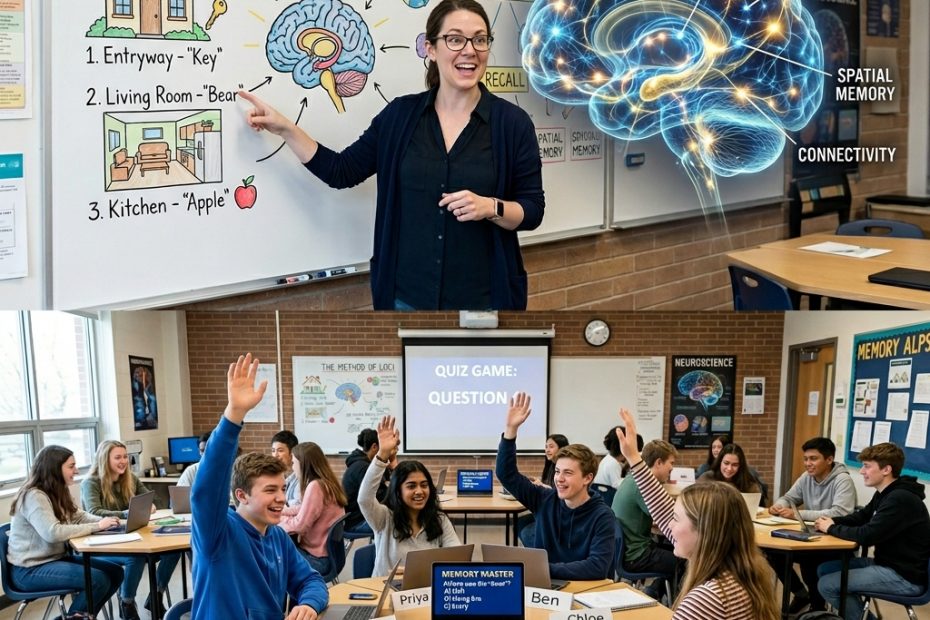
Active Learning Strategies: Moving Beyond Rote Memorization in Canadian Classrooms.

In many Canadian classrooms, students still encounter heavy reliance on rote memorization — copying notes and repeating facts for tests. While useful for short-term recall, research shows this approach often leads to quick forgetting and limited deep understanding. Active learning shifts the focus by engaging students as active participants who think critically, discuss, solve problems, and apply knowledge.

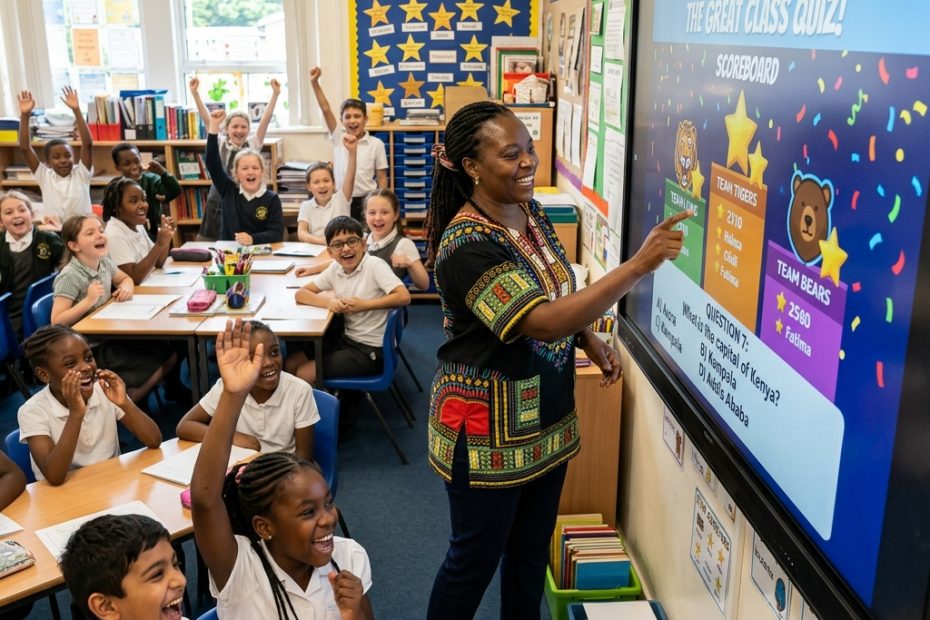
How to Make Learning Fun Again: Gamification Techniques Every Teacher Should Know.

Gamification makes learning interactive by applying game elements to education. It improves engagement, participation, and motivation among students by turning traditional lessons into experiences that feel more dynamic and rewarding. Instead of students passively receiving information, they become active participants in the learning process, working toward goals, earning rewards, and receiving immediate feedback that keeps them involved.

By incorporating elements such as points, levels, challenges, and friendly competition, teachers can create a classroom environment where students are more eager to learn and participate. This approach helps to reduce boredom and distraction while encouraging consistency and effort. Over time, students begin to associate learning with achievement and excitement rather than obligation, which can significantly improve both understanding and long-term retention of knowledge.

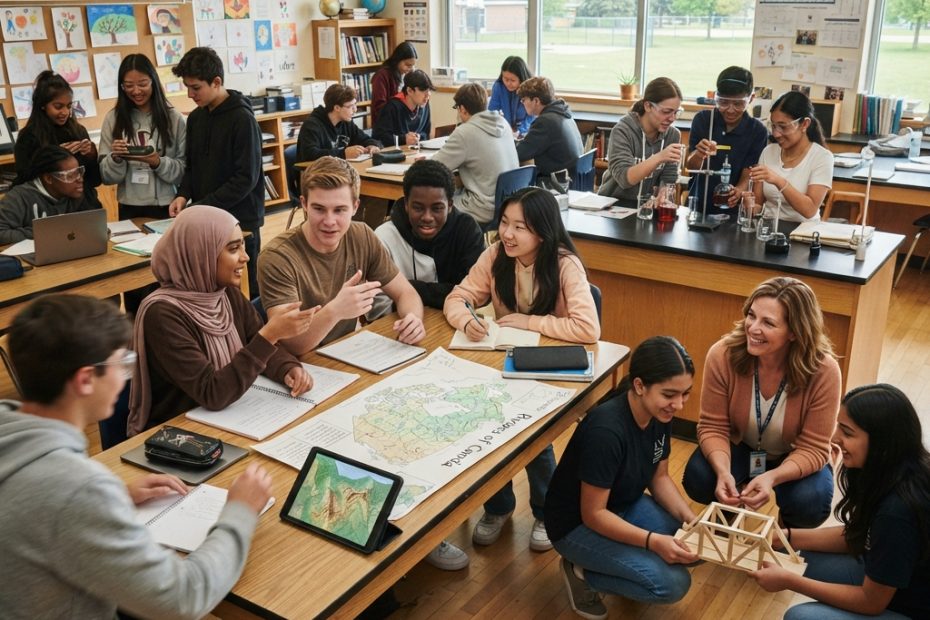
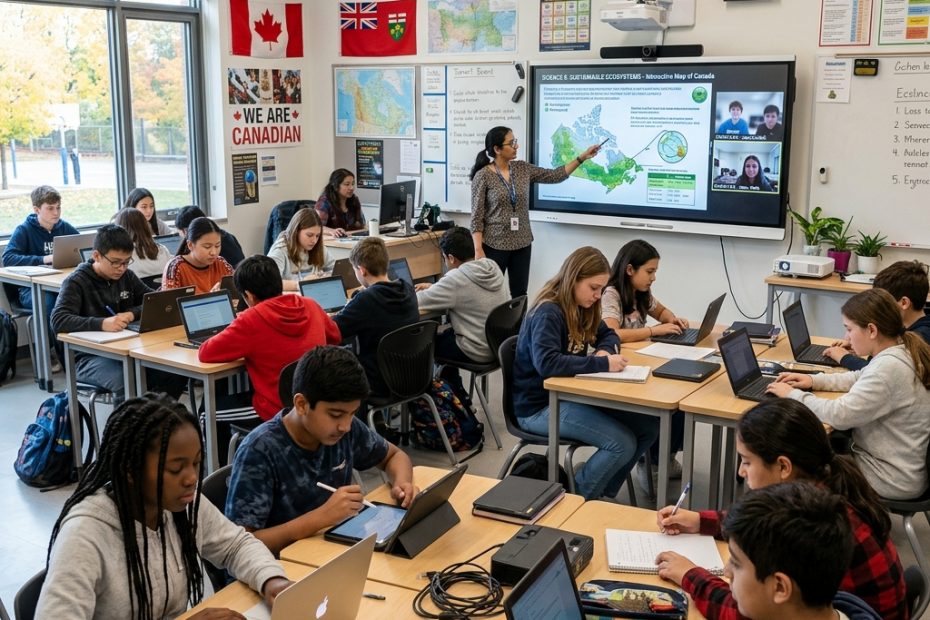
The Future of Teaching in Canada: How Digital Classrooms Are Reshaping Learning Outcomes.

Canada’s education system is undergoing a major transformation driven by digital learning tools, hybrid classrooms, and AI-assisted teaching platforms. Schools across provinces are increasingly adopting technology to improve access, engagement, and performance.

However, this shift is not without challenges. While urban schools enjoy advanced infrastructure, rural and remote areas still struggle with connectivity and access to devices. Despite this, the future of Canadian education is clearly digital.

Teachers are now expected to blend traditional methods with digital tools like Google Classroom, AI grading systems, and interactive learning apps.

The result? A more flexible, personalized learning experience for students—but also a new demand for teacher training and digital literacy.

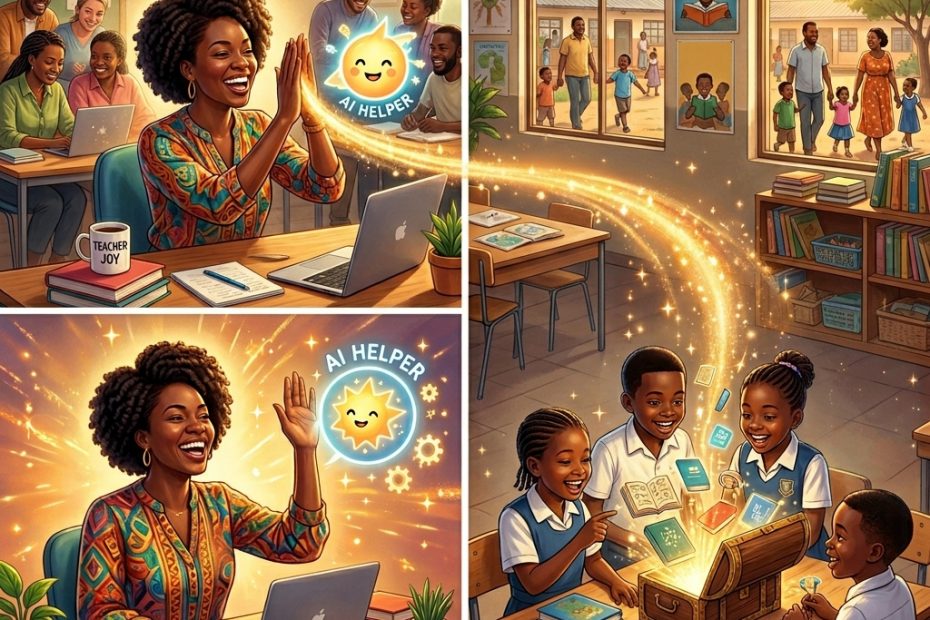
How Is AI Giving Teachers Time and Students Superpowers?

Mr. Patel used to dread grading nights. Now AI handles the first pass, and he spends his energy on real conversations that light up his students’ eyes. This is the beautiful win-win of 2026 AI automations.
Teachers reclaim hours for creativity and connection. Students receive patient, personalized guidance that adapts to their pace and style. Parents gain clearer ways to support learning at home. From adaptive practice tools to smart feedback systems, these inventions are turning ‘I can’t’ into ‘I got this!’
The magic happens when we use AI as a partner, not a replacement. It handles repetition so humans can focus on inspiration, relationships, and deep thinking. Real classrooms are seeing happier teachers, more confident learners, and stronger outcomes.
At Smart Teacher Online, we’ve designed everything to feel approachable and safe for the whole family. Whether you’re a teacher dreaming of balanced evenings, a student wanting to understand things better, or a parent eager to help, these tools are ready to support you.
2026 is proving that technology and humanity together create something greater than either alone. The story of education is getting better—chapter by chapter, smile by smile. Come write the next page with us.

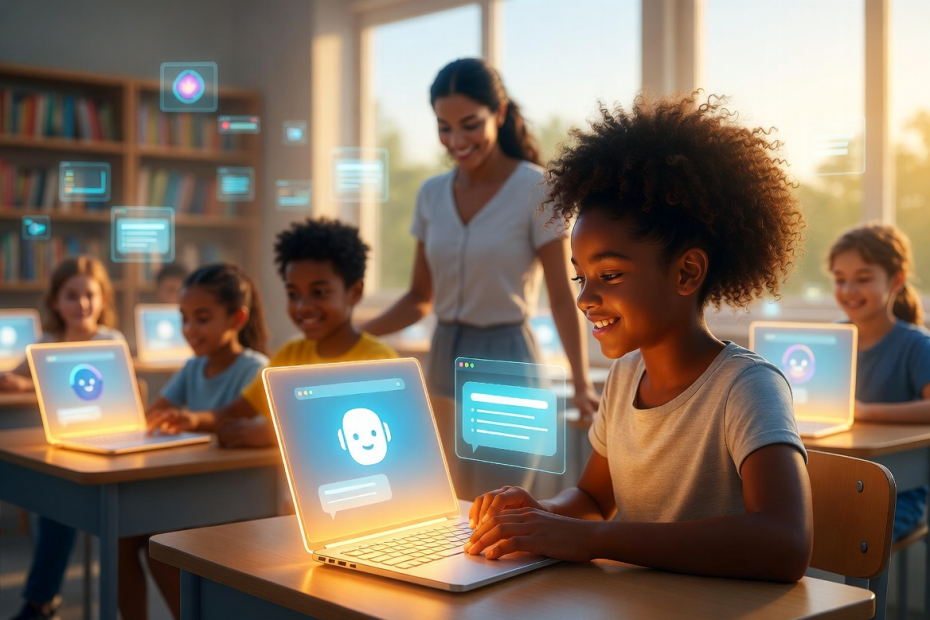
How AI Tutors Are Changing the Classroom.

It’s 10:30 PM. A 12-year-old in Lagos struggles with fractions until her AI tutor asks one simple pizza-sharing question — and everything clicks.
This is the new reality of education. AI tutors like Khanmigo are giving every child access to patient, personalized guidance that was once only for the wealthy.
They’re not replacing teachers — they’re freeing them to do what humans do best: mentor and inspire.
Read how AI is transforming classrooms worldwide.

Èdè Yorùbá Dùn Dé: Come Discover the Beauty of Yoruba Culture!

Parenting in today’s world means dealing with screens everywhere. At Smart Teacher Online, we focus on cybersecurity and edtech to help families stay safe. Screen time is how long we stare at phones, tablets, or computers. It’s fun for kids to play games or watch shows, but too much can be a problem. Eyes get sore, sleep gets short, and online risks pop up.

Smart parents balance fun with safety. Start with rules: Limit screen time to 1-2 hours a day for fun stuff. Use built-in timers on devices. This helps kids learn self-control.

Cybersecurity is key. Parental controls act like guards. They block unsafe websites and limit apps. Teach kids about dangers: Strangers online might ask for personal info. That’s called grooming – avoid it! Phishing is fake emails or messages tricking you into giving passwords. Use simple analogies: “It’s like a stranger offering candy – say no!”

Balance screens with offline activities. Play sports, read books, or cook together. This builds strong bodies and happy minds.

Parents, lead by example. Put devices away during meals. Family screen time can be good, like educational videos on animals or math.

In edtech, screens help learning. Apps teach coding or languages safely. But update software to fight viruses – bad programs that harm devices.

Strong passwords protect accounts: Use “P@ssw0rdFun!” instead of “1234.”

Involve kids in decisions. Ask, “What rules should we have?” This teaches responsibility.

Screen time affects health. Too much leads to less exercise, poor sleep, or feeling sad. Cybersecurity prevents bigger issues, like identity theft.

Tips for parents:

Monitor apps: Know what kids download.
Use family sharing: See locations and usage.
Educate on privacy: Don’t share photos with strangers.
For kids: Screens are tools, not toys all day. Tell parents if something online scares you.

At Smart Teacher, we believe safe screen time builds smart families. Try these tips today!