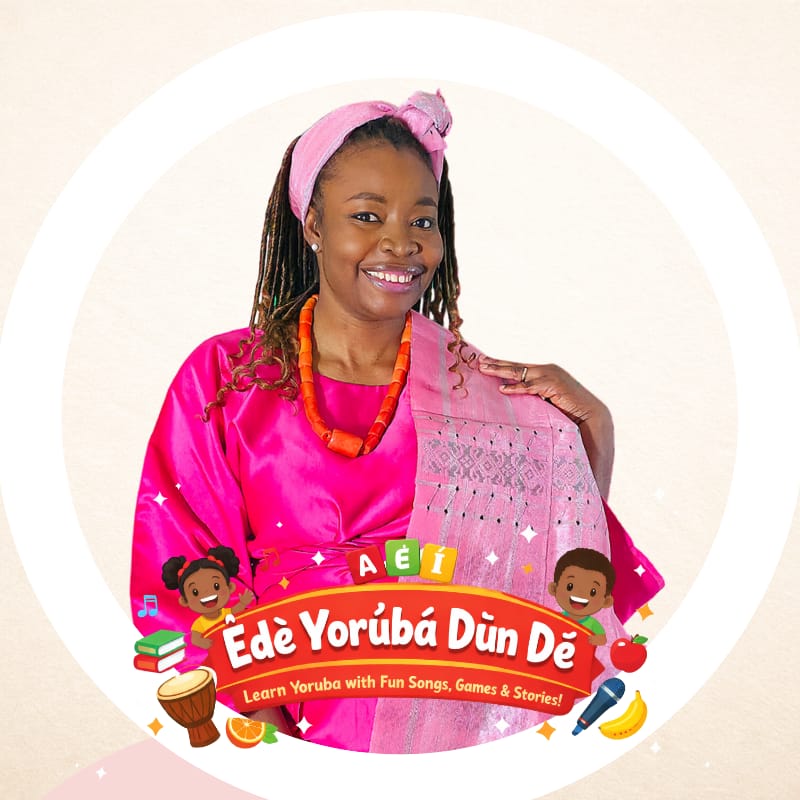
Hello, smart friends and families! Welcome back to the Smart Teacher Online blog. We always love sharing fun ways to learn about technology, staying safe online, and now something extra special — the amazing beauty of different cultures. Today, we’re super excited to tell you all about our brand-new Yoruba series called “Èdè Yorùbá Dùn Dé”! The name means “Yoruba Language is Sweet — It’s Here!” and it’s made just for kids like you.
Yoruba is a beautiful language spoken by millions of people, mostly in the southwestern part of Nigeria and by Yoruba communities all around the world. It’s full of sweet-sounding words, musical rhythms, happy songs, wise stories, colorful traditions, and kind ways of talking to each other. When you hear Yoruba spoken or sung, it often feels joyful and warm, like a big family hug in words!
One of the loveliest things about Yoruba culture is how much everyone values respect and kindness. In Yoruba, greetings are very important. Instead of just saying “hello,” people say things like “Ẹ káàsán” for good afternoon or “Ẹ káàbọ̀” for welcome. They might even bow slightly or kneel a little when greeting older people or important elders. These small actions show, “I see you, I respect you, and I’m happy you’re here.” It’s a gentle way to make everyone feel valued and loved.
Yoruba people also love sharing wisdom through proverbs, which are short, clever sayings called “òwe.” These little riddles teach big lessons in a fun way. For example, one proverb says something like: “We don’t point to the king’s palace with the left hand.” It means always use good manners and do things the right way, especially when showing respect. Proverbs help kids think deeply and speak smartly!
The clothes and decorations in Yoruba culture are like walking rainbows! People wear bright fabrics called aso-oke in reds, yellows, blues, greens, and more. Women tie beautiful gele headwraps that stand tall like crowns, and everyone loves wearing shiny beads (ìlèkè) and coral necklaces. Every color and pattern can tell a story about family, celebration, or even history. When kids see these outfits, they feel proud and excited — like dressing up for the best party ever!
Music is another huge part of Yoruba life. There are special talking drums called gángan or dùndún that can actually “speak” words through their beats! Drummers play fast rhythms for dancing at weddings, naming ceremonies for new babies, festivals, and happy family gatherings. The drums make people want to move their feet, clap their hands, and smile big.
Yoruba stories are full of adventure and lessons too. You might hear tales about the clever tortoise (Ìjàpá) who tricks others but sometimes learns a hard lesson, or about powerful orishas like Sango, the god of thunder. These folktales are told with songs and laughter, and they teach kids about being honest, brave, and kind.
Food brings everyone together in Yoruba homes. Things like pounded yam with egusi soup, spicy jollof rice, moi moi (steamed bean cakes), and amala are delicious and made with love. Families sit together, share stories, and enjoy meals that make bellies happy and hearts even happier.
Now, with our new series “Èdè Yorùbá Dùn Dé” on the Smart Teacher For Kids YouTube channel (@smartteacherforkids), children can learn all these wonderful things in the most fun way! The videos use bright colors, happy voices, simple explanations, songs, greetings, easy words, short stories, and joyful animations — perfect for little learners. Whether your family is Yoruba and wants to keep the language strong, or you’re just curious about new cultures, this series will make you smile, sing along, and feel proud of African beauty.
Parents, this is great educational screen time! Watch together, repeat the words, dance to the songs, and talk about what you see. Then go outside to play or draw your own colorful Yoruba-inspired pictures. It’s the best mix of learning and fun.
Don’t miss the premiere — head over to YouTube right now, search for “@smartteacheryorubakids” (or click the link: https://youtube.com/smartteacheryorubakids), subscribe, and turn on the notification bell 🔔 so you get the new episodes first!
Yoruba language and culture are truly sweet… and now they’re here for you! Èdè Yorùbá dùn dé! What Yoruba greeting or word do you want to try first? Share in the comments below — we’d love to hear from you! 😄